
Last updated August 28, 2026
Free in-home measure and quote - PGT, CGI and CWS impact lines compared on your actual openings, style by style


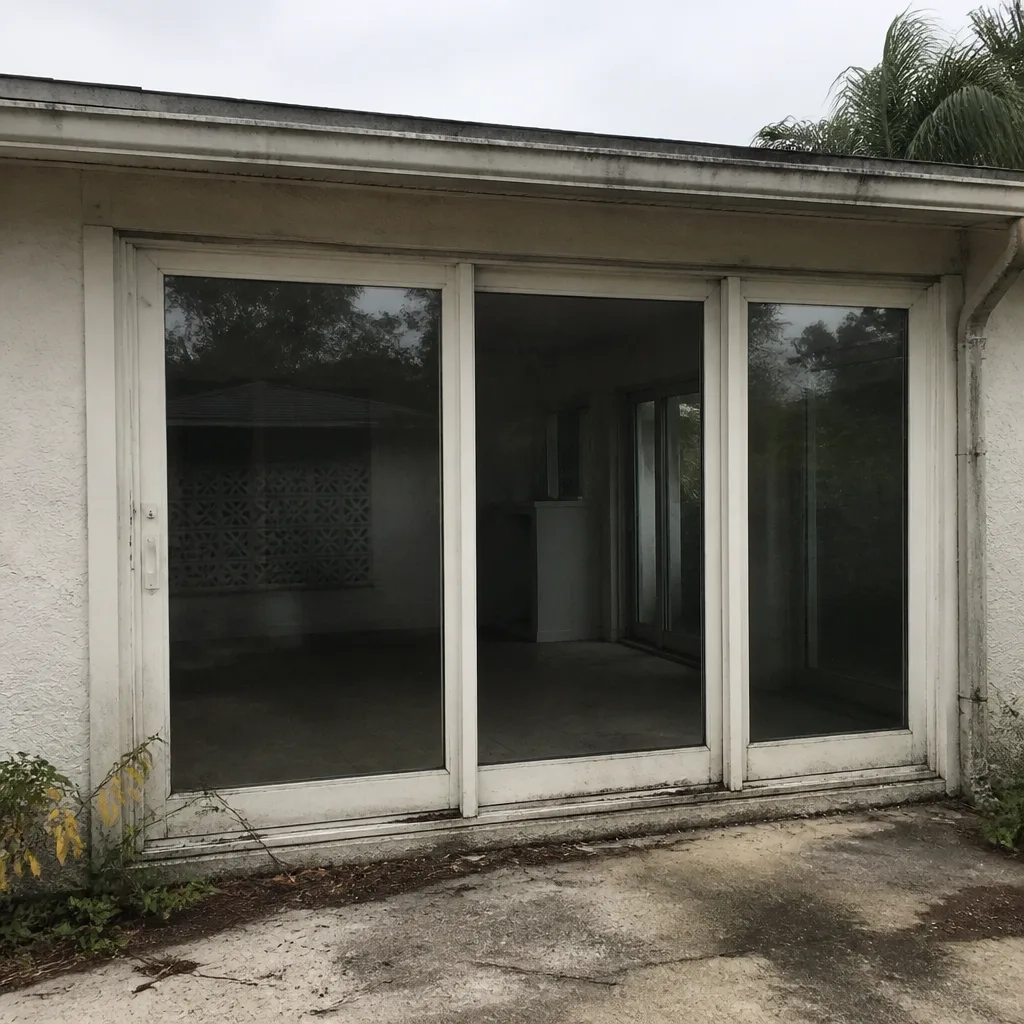 Before
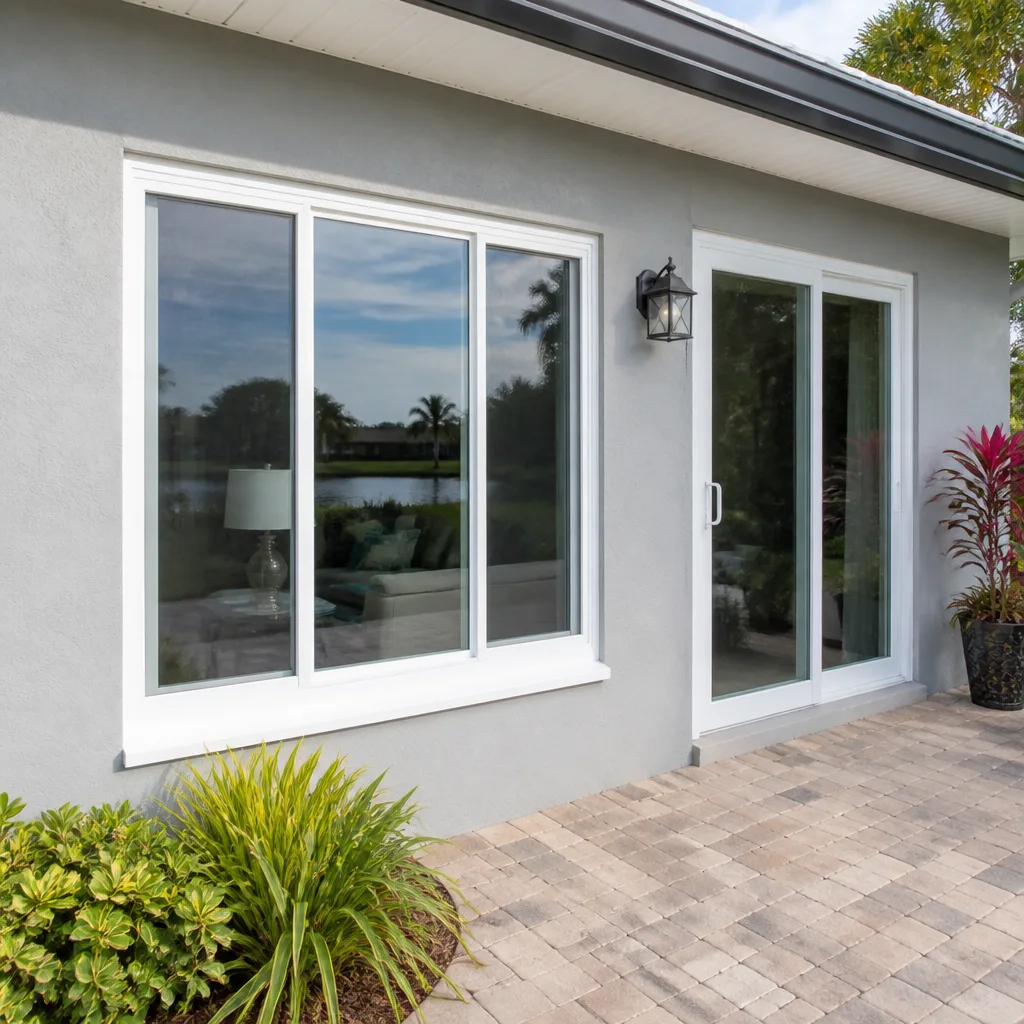 After
After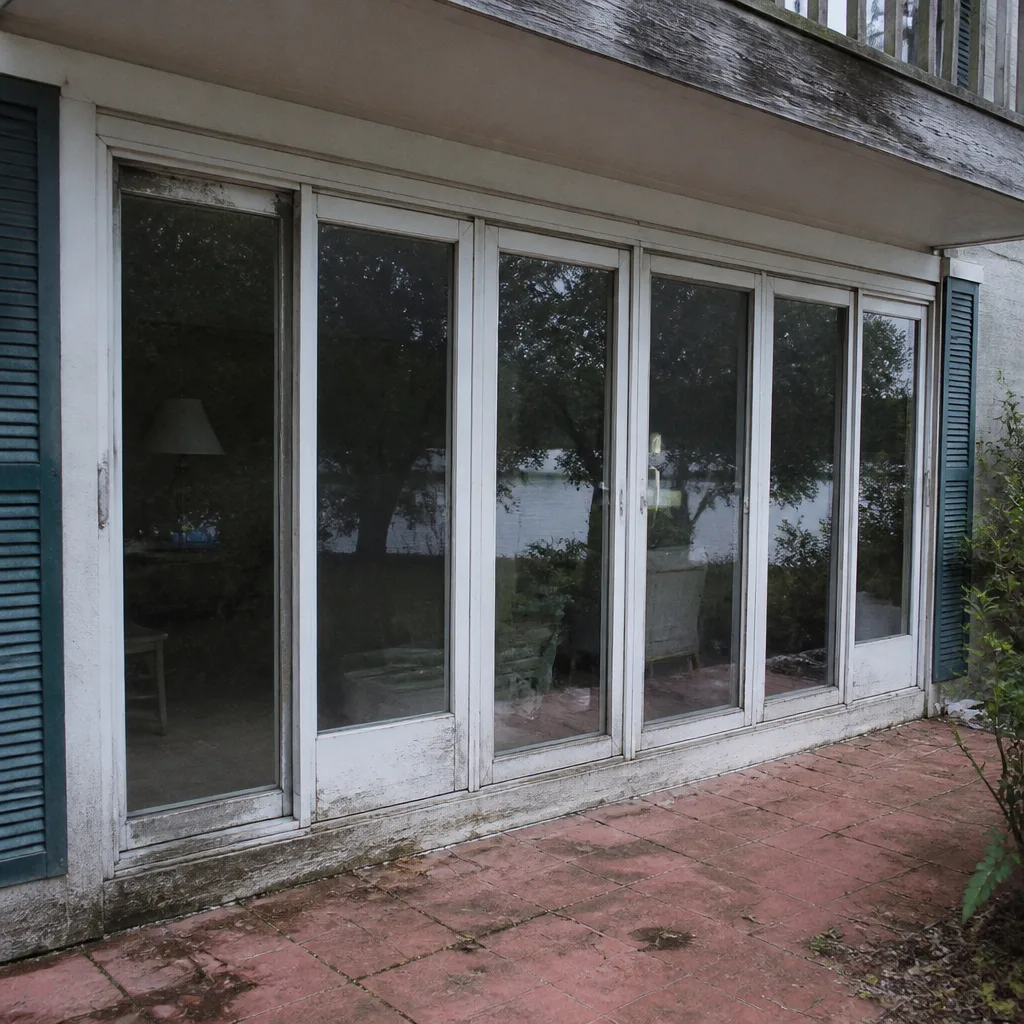 Before
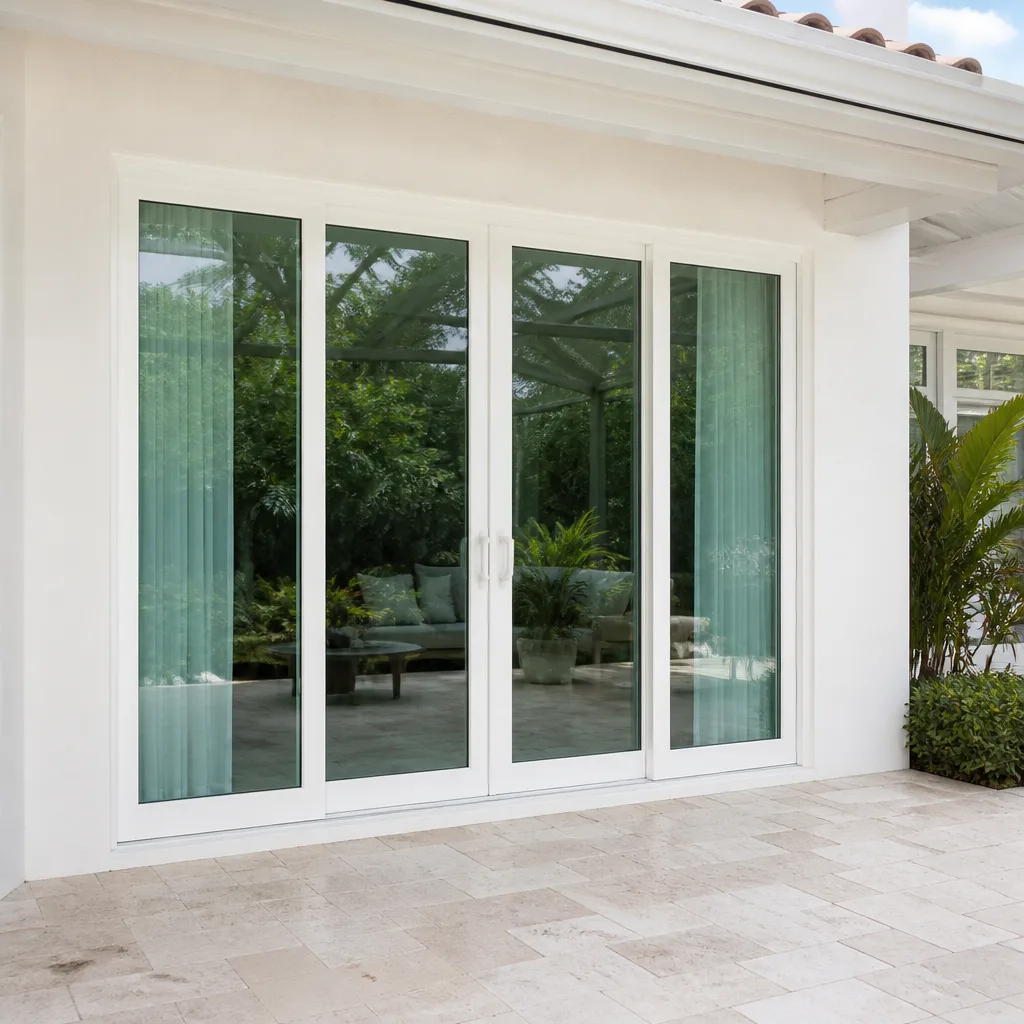 After
After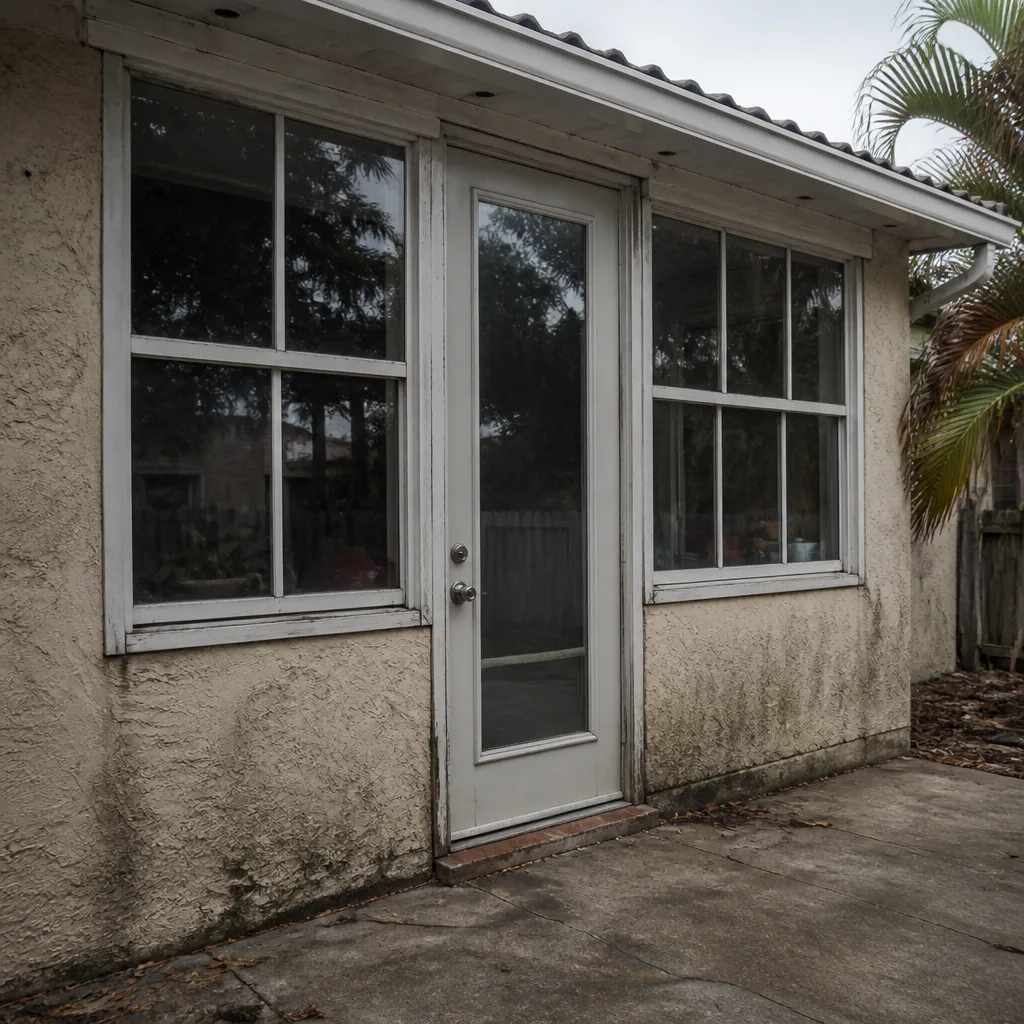 Before
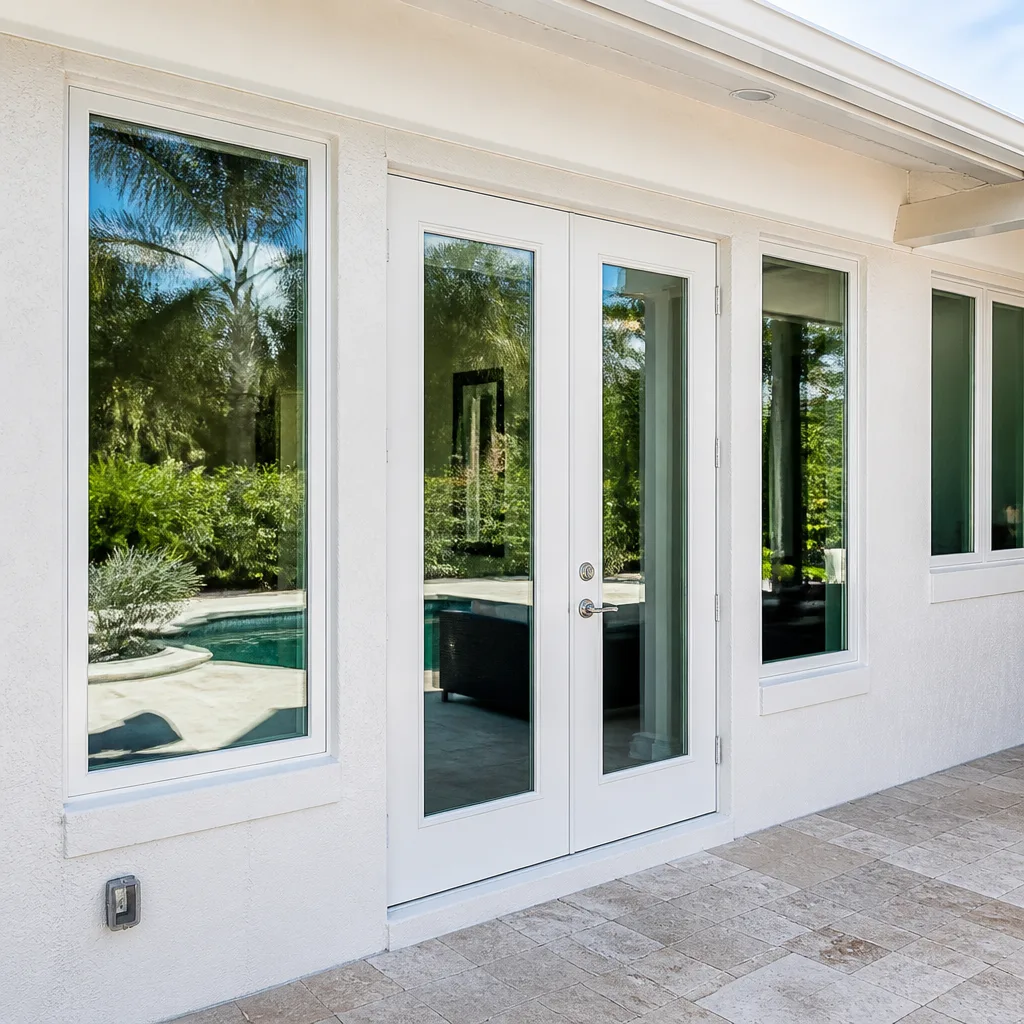 After
AfterSeasonal Windows & Doors Care for Sarasota: Year-Round Homeowner’s Guide
Most seasonal home-maintenance guides are written for climates with freezing winters - which means every tip about “winterizing” your windows is not just useless in Sarasota, it crowds out the June pre-storm prep and November salt-rinse routines that actually prevent the failures Gulf Coast homeowners face. Sarasota doesn’t have four seasons. It has two: a hurricane-and-humidity season that runs from roughly June through November, and a salt-and-UV season that stretches from December through May. Each one attacks your windows and doors in a distinct way, and each one demands a different set of maintenance priorities. This guide walks through what to do, when to do it, and why the timing matters more than the task itself, and you can find more guides & resources on our blog.
Quick Answer
Seasonal window and door care in Sarasota, Florida comes down to this: conduct a thorough pre-storm audit in May or early June, follow an active-season protocol for protecting impact windows and doors during hurricane watches from July through October, perform a salt-residue cleanup and frame inspection in November, and use the drier January-to-April window for caulk replacement, hardware lubrication, and frame deep-cleaning. Keep a dated photo log of every maintenance pass. It takes about six focused hours per year, and it prevents the vast majority of seal failures, hardware corrosion, and track damage we see across the Gulf Coast.
Table of Contents
- The May/June Pre-Season Audit: What to Inspect, Tighten, and Document
- July-October Active Season: Protecting Impact Windows and Doors During Storm Watches
- November/December Post-Season Recovery: Salt Removal, Micro-Fracture Checks, and Weep-Hole Clearing
- January-April Dry Season: Caulk, Lubrication, and Frame Maintenance Window
- Sarasota Hurricane Code and How It Affects Your Maintenance Routine
- The Insurance Photo Log: How to Document Seasonal Maintenance for Claims
- Common Mistakes to Avoid
- When to Call a Professional
- Frequently Asked Questions
- The Bottom Line
The May/June Pre-Season Audit: What to Inspect, Tighten, and Document
By mid-May in Sarasota, the Atlantic hurricane season is weeks away, afternoon thunderstorms are becoming a daily fixture, and the humidity is climbing back toward the 90-percent range. This is the moment to give every window and exterior door in the house a systematic once-over. In our experience across Sarasota neighborhoods like Gulf Gate, Palmer Ranch, and Lakewood Ranch, the same five failure points appear year after year: loose hinge screws on exterior doors, dried-out glazing on older fixed windows, clogged weep holes on sliding glass doors, worn weatherstripping on the bottom of garage doors, and hairline frame fractures around corner welds.
Here is the pre-season audit, in order, as we recommend it:
- Check every fastener on hinges, locks, and handles. On swinging doors, use a screwdriver to confirm each hinge screw is snug. On casement windows, check the crank mechanism mounting screws. Torque spec for most residential hinge screws is 8-12 inch-pounds - enough to hold, not enough to strip the wood or vinyl substrate.
- Inspect glazing and sealant beads around every frame. Look for gaps, crumbling caulk, or areas where the sealant has pulled away from the stucco or siding. Run a fingertip along the bead. If it flakes, it’s time to replace. If it still flexes, it’s holding.
- Test the weep holes on all sliding and hung windows. Pour a cup of water into the bottom track. If it drains within 30 seconds, the weep system is clear. If water pools, you have a problem that will turn into frame rot or track corrosion by August.
- Cycle every operable window and door three times. Open, close, lock, unlock. You’re listening for grinding, feeling for resistance, and watching for misalignment between the panel and the frame.
- Document everything. Photograph each window from the inside and outside, plus close-ups of any wear points. Date-stamp the photos. Store them in a cloud folder named “Sarasota Home Maintenance [Year].”
This audit typically takes a homeowner about 90 minutes. It also serves as the baseline for your Impact Windows in Sarasota warranty documentation and your wind-mitigation insurance file. If you find anything during the audit that concerns you, a free second opinion on any written estimate is available from our team - we’ve been doing this in Sarasota since 2011, and we’d rather catch a problem in May than in a hurricane watch.
July-October Active Season: Protecting Impact Windows and Doors During Storm Watches
The active hurricane season in Sarasota runs from July through October, peaking in September. When a storm watch is announced, the instinct is to run around closing everything as fast as possible. That’s the wrong instinct. Impact-rated windows and doors are engineered to withstand severe wind pressures and missile impacts, but they perform best when closed and secured in a specific sequence that protects the hardware, the seals, and the frame alignment. Here’s the protocol we recommend, refined from over a decade of post-storm inspections in Sarasota and Manatee counties.
- Close and lock every window and door, including interior passage doors. The goal is to equalize pressure gradually and prevent wind from pressurizing the interior. Start with the windward side of the house and work toward the leeward.
- Engage every multi-point lock system on sliding glass doors. A sliding door with only the center latch engaged can flex up to three times more than one with the top and bottom shoot bolts fully extended. That flex is what lets wind-driven rain push past the weatherstripping.
- For casement and awning windows, crank them fully closed, then back off one-quarter turn. This reduces stress on the operator mechanism and allows the gasket to seat evenly without deformation. A fully over-cranked window can develop a compressed gasket that never re-expands, which leads to air leaks on dry days.
- Do not tape windows. Tape provides zero protection against impact, and it leaves a baked-on adhesive residue that requires chemical removal - which degrades the frame coating.
- Lower and lock hurricane-rated garage doors. The garage door is the largest opening in the home and the most common point of structural failure in a hurricane. If the door is impact-rated, confirm the lock bar or side bolts are engaged.
- After the storm passes, open windows slowly. Release the latch and ease the window open a few inches before opening fully. This prevents a vacuum-pop that can crack a seal.
If your windows or doors are older, single-pane units, or if you’re unsure whether they’re impact-rated, the pre-season discussion should include a serious look at replacement. Window Replacement in Sarasota is not a cosmetic upgrade - it’s a structural defense investment. Winslow installs impact-rated systems from PGT, CGI, and ES Windows, and every installation carries the 36500-Day Done Right Promise. That’s a century-long standard of accountability, which is what a hurricane zone deserves.
November/December Post-Season Recovery: Salt Removal, Micro-Fracture Checks, and Weep-Hole Clearing
By November in Sarasota, the daily thunderstorm pattern is fading and the humidity is dropping into the 60s. This is the month to address what the active season left behind. Wind-driven rain carries salt from the Gulf, and salt is corrosive to aluminum frames, steel hinges, and plating on brass hardware. The post-season recovery routine is the single most skipped maintenance pass we see - and the one that pays off most over the life of the window or door.
- Rinse all exterior frames and glass with fresh water. Use a garden hose with a spray nozzle, not a pressure washer. Target the bottom tracks, hinge areas, and any crevice where salt spray could linger. In coastal Sawgrass or Siesta Key homes, salt residue can be visible as a white film on dark bronze frames within days of a storm.
- Dry the hardware with a soft cloth. Focus on hinges, lock mechanisms, and the strike plates on entry doors. Leaving salt-saturated water to evaporate on these components is what causes the pitting and white corrosion blooms we see on older Lakewood Ranch patio doors.
- Inspect every frame corner for micro-fractures. Look closely at the bottom corners of sliding glass door frames and the upper corners of fixed windows. A hairline crack that doesn’t leak this year becomes a structural failure the next time the house sees 120-mph gusts. Run a business card along the corner - if the edge catches, document it.
- Clear weep holes again. Post-storm debris - sand, leaf fragments, insect nests - settles into the bottom track. Use a pipe cleaner or a thin zip tie to clear each weep hole. Do not use a metal tool that could scratch the frame coating.
- Lubricate all moving parts with a silicone-based lubricant. Apply to hinge pins, roller tracks, lock cylinders, and the operator arms on casement windows. Wipe away excess. Avoid petroleum-based lubricants like WD-40, which attract dust and accelerate wear.
This routine takes about two hours for a typical Sarasota home. The goal is simple: leave nothing on the frames or hardware that came out of the Gulf. Once the salt is gone and the frames are dry, the windows and doors are ready for the long, low-humidity months ahead.
January-April Dry Season: Caulk, Lubrication, and Frame Maintenance Window
Sarasota’s driest months - January through April - offer a narrow window of opportunity that most homeowners miss. This is when relative humidity drops into the 50s and 60s, daytime temperatures sit in the mid-70s, and conditions are ideal for any maintenance work that involves adhesives, sealants, or finishes. The lower humidity means better caulk adhesion, faster curing, and less risk of trapping moisture inside a frame cavity. Here’s what we recommend doing in this window, every year.
Caulk Replacement
Exterior caulk and sealant beads around window and door frames degrade fastest at the top of the opening, where UV exposure is most direct. In January, walk the perimeter of the house and inspect every bead above eye level. In Sarasota’s mid-afternoon sun, a typical acrylic-latex caulk lasts three to five years before it begins to shrink, crack, or pull away from the stucco. Replacement is straightforward: remove the old bead with a utility knife or caulk-removal tool, clean the joint with rubbing alcohol, apply a high-quality exterior sealant rated for UV exposure and elasticity in high-temperature environments. For homes in newer subdivisions like Palmer Ranch or Lakewood Ranch, the builder-grade caulk often fails within two years. Replacing it proactively prevents the slow water intrusion that leads to mold, drywall damage, and frame rot.
Frame Deep-Cleaning
Vinyl and aluminum frames accumulate a film of pollen, diesel particulate, and airborne salt from Gulf breezes, even in the dry season. Wash frames with warm water and a mild dish detergent, using a soft-bristle brush for crevices. Rinse thoroughly. On unpainted aluminum frames, apply a light coat of automotive paste wax to slow oxidation. This is especially important for homes east of I-75, where dust from new construction is more prevalent than salt. For painted frames, a quick touch-up on any scratch that exposes bare metal will prevent a rust bloom from forming before hurricane season returns.
Hardware Lubrication and Adjustment
Hardware that got a silicone treatment in November will be stable through the dry season. But this is also the time to address any residual stiffness or misalignment that’s been bothering you. Adjust strike plates on entry doors that have sagged - a symptom of hinge wear from seasonal humidity cycling. Check the roller adjustment screws on sliding glass doors and lift the panels if needed. A sliding door that binds or drags is a sign the rollers are either worn or the track is dirty. In Sarasota’s sand-rich environment, track grit is the default diagnosis. If the rollers are worn rather than dirty, replacement is the only fix.
Interior Condensation Check
January mornings in Sarasota can produce interior condensation on single-pane windows. If you’re seeing fog between the panes of double-glazed units, that’s not condensation - it’s a failed seal. It won’t fix itself, and it’s actively degrading the insulating gas fill. On energy-efficient windows, glass replacement or full-unit replacement is the standard repair. If the frames are in good shape, glass replacement is usually the more cost-effective route. Window Installation in Sarasota done properly in the dry season cured a lot of failed-seal issues before the humid months made thermal cycling worse.
Weatherstripping Audit
Low-humidity weeks are the best time to inspect and replace weatherstripping on entry doors and garage doors. The old material has been through a full wet-dry cycle by March, and any deterioration will be obvious. A gap under an entry door in Sarasota is not just an energy loss - it’s an open invitation for palmetto bugs, and no one in Florida wants that.
Sarasota Hurricane Code and How It Affects Your Maintenance Routine
Sarasota sits in a high-velocity hurricane zone, and the Florida Building Code has evolved significantly since Hurricane Charley in 2004 and Hurricane Irma in 2017 reshaped how we think about window and door performance; for details on current requirements, see our guide to Windows & Doors Permits, Codes & Inspections in FL: What You Need to Know. Current code requires impact-resistant glazing or approved storm shutters for new construction and major renovations in wind-borne debris regions, which includes all of Sarasota County. But here’s the part most homeowners miss: code-compliant installation is only part of the equation. The ongoing performance of the impact system depends on the condition of the hardware, the integrity of the sealant around the frame, and the structural connection between the window or door and the wall system.
If you maintain your windows and doors on the seasonal schedule laid out in this guide, you’re preserving the code compliance of the original installation. If you skip years of maintenance, you may be living in a home that still looks protected but has quietly lost the edge that defined it. Examples: a PGT impact window with a failed gasket still satisfies code on paper, but the water barrier function has degraded. A Therma-Tru entry door with sagging hinges no longer engages the multi-point locking system fully, which reduces the storm resistance below the tested standard. This is why we tell Sarasota homeowners to treat maintenance not as a chore, but as the continuing calibration of a protective system, and to watch for the Windows & Doors Warning Signs: A Sarasota Homeowner’s Reference Guide.
The Insurance Photo Log: How to Document Seasonal Maintenance for Claims
Wind-mitigation insurance credits in Florida are not given once and forgotten. They reflect the condition of the home at the time of inspection, and insurance carriers can and do dispute claims when the recorded condition of windows and doors suggests deferred maintenance. A photo-and-date log is the strongest evidence a homeowner can produce. Here is the format we recommend, modeled on what our team has seen hold up in post-storm claims across Sarasota and Manatee counties.
- Create a dedicated cloud folder. Label it “Sarasota Home Maintenance [Year]” and share the link with any other owner of record.
- Photograph every window and door, inside and out. Use the same camera position and angle each time so comparisons are straightforward. A curb-level exterior shot, a frame-level shot showing caulk and weatherstripping, and an interior shot showing glass, handles, and latches.
- Film one 30-second video walk of the entire perimeter. Narrate the date, the condition of the house, and any work performed. A video is difficult to fake and carries more weight than a photo series.
- Save receipts and take photos of installed materials. If you replace a window, a door, a roller, a weatherstrip, keep the invoice. Photograph the work in progress and the finished result. Receipts without photos are fine, but photos without receipts are weak.
- Log the maintenance passes in a simple table. Date, task, product used, before-and-after photo filenames. A paper trail that shows consistent, year-over-year maintenance supports a claim or dispute far better than a sudden burst of repair activity immediately after a storm.
If a carrier disputes a claim by arguing that pre-existing damage or deferred maintenance caused the failure, the photo log is what turns the dispute around. We’ve built this into our own post-installation documentation for every Winslow Windows & Doors home service and warranty file, and we recommend homeowners do the same.
Common Mistakes to Avoid
- Skipping the post-season salt rinse. Salt from Gulf spray sits on frames and hardware all winter, and by spring the corrosion is active. A ten-minute rinse in November prevents a hinge replacement in March.
- Using a pressure washer on windows and door frames. The force at close range will tear weatherstripping, blast caulk out of joints, and drive water behind the frame. A garden hose with a spray nozzle is always sufficient.
- Waiting for a named storm to check your impact windows. By the time a watch is issued, it’s too late to fix a stuck shoot bolt or a rusted roller. The May/June audit exists for a reason.
- Lubricating locks and hinges with WD-40 or other petroleum products. These attract grit and the carrier solvent evicts so quickly that the lubrication benefit lasts about a week. Silicone or Teflon-based lubricants are the standard for coastal hardware.
- Ignoring clogged weep holes. A blocked weep system turns the bottom track of a sliding door into a standing-water channel. Water then migrates under the frame and rots the subfloor or wicks into the drywall. We see this in Sarasota homes every year.
- Documenting maintenance only when something breaks. A photo log that only shows repairs is not evidence of good maintenance. It’s evidence of reactive behavior. Insurance carriers and warranty departments both notice the difference.
- Re-caulking over old caulk rather than removing it. The new bead adheres only to the skin of the old one, which fails and peels in months. Full removal and surface prep is the only way that works in the Florida sun.
When to Call a Professional
Most of the tasks in this guide are within a confident homeowner’s reach. But there are times when calling a pro is the right decision. If you find a frame crack that grows between inspections, a sliding door that’s binding no matter how much you clean the track, a window that’s fogged between panes, or an entry door that no longer seals along the sill, call before the problem compounds. Same goes for any impact-rated window that has been struck by storm debris - a chip that doesn’t crack today can become a shatter point under the next wind load. Winslow Windows & Doors offers free estimates in Sarasota - call (941) 267-0779. Ed Winslow’s name is on the door, and every job carries the 36500-Day Done Right Promise. If it’s not done right, we make it right. That’s the whole promise, in one sentence.
Frequently Asked Questions
The best time to replace windows and doors in Sarasota is between January and April, when the dry season conditions produce cleaner installations, better sealant adhesion, and less disruption from afternoon thunderstorms. It’s also the period when our team has the most scheduling flexibility; summer and early fall demand is driven by hurricane preparation. Call (941) 267-0779 to schedule a free estimate for a dry-season installation.
In Florida, impact windows should be visually inspected twice a year - once in May before hurricane season and once in November before the dry season - plus a quick check after any major storm. The pre-season inspection should cover glazing integrity, frame caulking, hardware fasteners, and weep hole function. If you find anything concerning, a free second opinion on any written estimate is always available from our team.
Impact windows don’t require dramatically different maintenance, but the stakes are higher when maintenance is skipped. The laminated glass and reinforced frames are tested as a system, and degraded hardware or failed sealants reduce the system’s performance below its certified level. The cleaning and lubrication routine is the same; the urgency of keeping it religiously scheduled is higher.
To clean salt residue off window frames in Sarasota, use a garden hose with a spray nozzle to rinse the frames thoroughly, then wipe down the hardware with a soft cloth before the water evaporates. For stubborn salt film, mix one part white vinegar with three parts warm water and wipe with a microfiber cloth, then rinse and dry. This is a post-storm essential for homes near the Gulf.
If you hire someone for seasonal window and door maintenance in Sarasota, expect to pay between $150 and $400 for a full-home inspection and tune-up, depending on the number of openings and whether any minor repairs like caulk replacement or roller adjustment are included. The cost stays low when caught early and climbs quickly when deferred. We offer free estimates, no trip charge inside the home county, and $40 off any repair over $200.
When a hurricane watch is issued for Sarasota, close and lock every window and door starting on the windward side, engage all multi-point locks on sliding doors, crank casement windows fully closed then back off one-quarter turn, lower and lock the garage door, and do not tape the glass. Impact-rated windows from PGT, CGI, and ES Windows are engineered for missile impact and wind pressure, but proper closure and locking sequence protects the hardware and seals. If your windows or doors aren’t impact-rated, the time to address that is before the storm - call (941) 267-0779 to discuss Impact Windows in Sarasota.
The Bottom Line
Sarasota’s climate doesn’t award points for half-hearted maintenance. Salt, UV, humidity, and hurricane-force wind each take their turn, and the only defense that works is a seasonal routine matched to the actual calendar - not a generic spring-and-fall checklist from a New England magazine. The pre-season audit catches problems before the storms. The post-season rinse stops corrosion before it starts. The dry-season maintenance window is the cheapest, easiest time to fix what the summer exposed. And the photo log turns all that effort into leverage when an insurance claim or warranty question lands. Run the routine, keep the log, and when something needs more than elbow grease, calls to Winslow Windows & Doors are answered by a live person, 24/7. Ed’s name is on the door - and on every job we do. The one down the road.
Written by Ed Winslow, Owner at Winslow Windows & Doors, serving Sarasota since 2011.
Six Reasons Homeowners Choose Winslow Windows & Doors
Impact systems engineered to design pressures up to +/-100, matched to your wind zone - your openings hold when the storm arrives.
Low-E insulated impact glass from our manufacturer lines commonly cuts monthly cooling bills 20-30%.
Laminated impact glass shuts out up to 40% of outside noise - traffic, neighbors, weather.
Monitoring services run $30-90 a month. Laminated impact glass resists forced entry around the clock, with no subscription.
Florida homeowners average around 25% savings on the windstorm portion of their policy after protecting every opening - some homes qualify for more.
A full impact package upgrades curb appeal, buyer confidence and appraised value in one project.