
Last updated August 28, 2026
Free in-home measure and quote - PGT, CGI and CWS impact lines compared on your actual openings, style by style

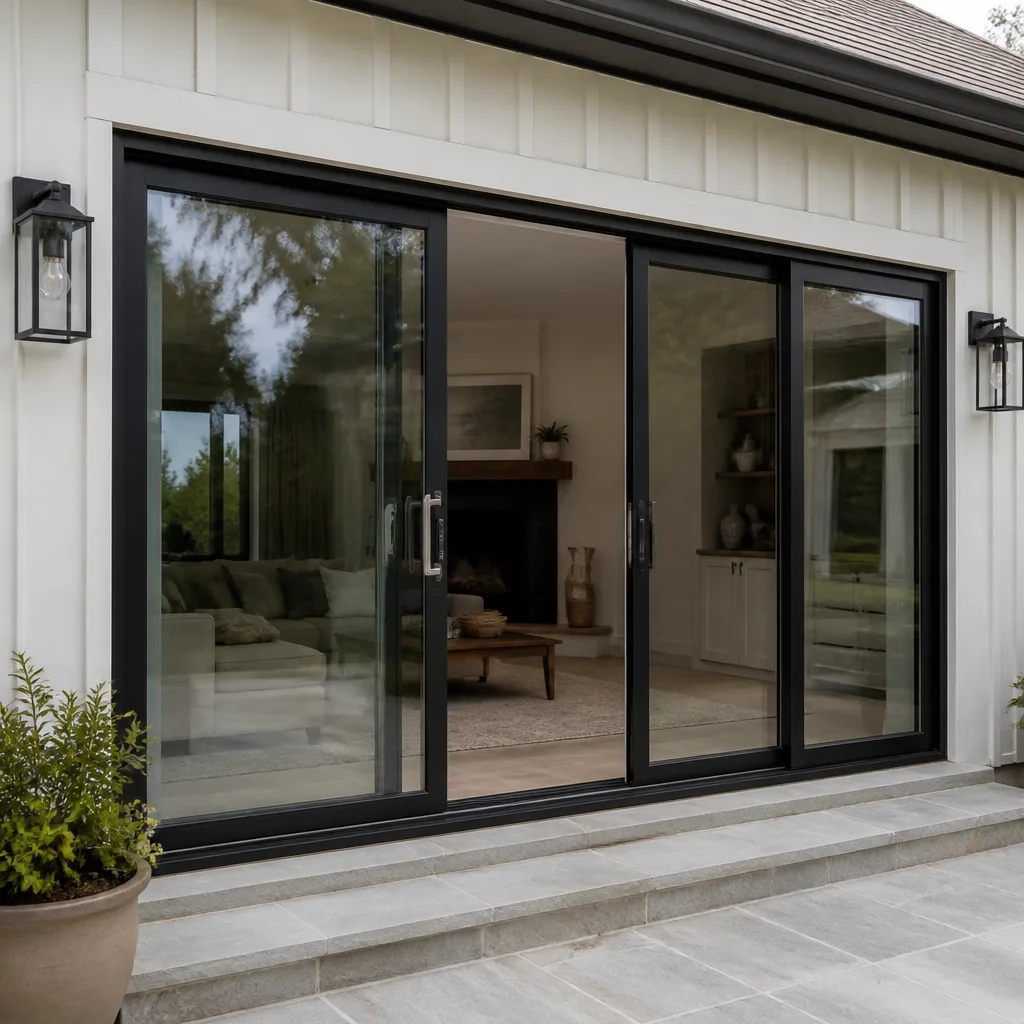
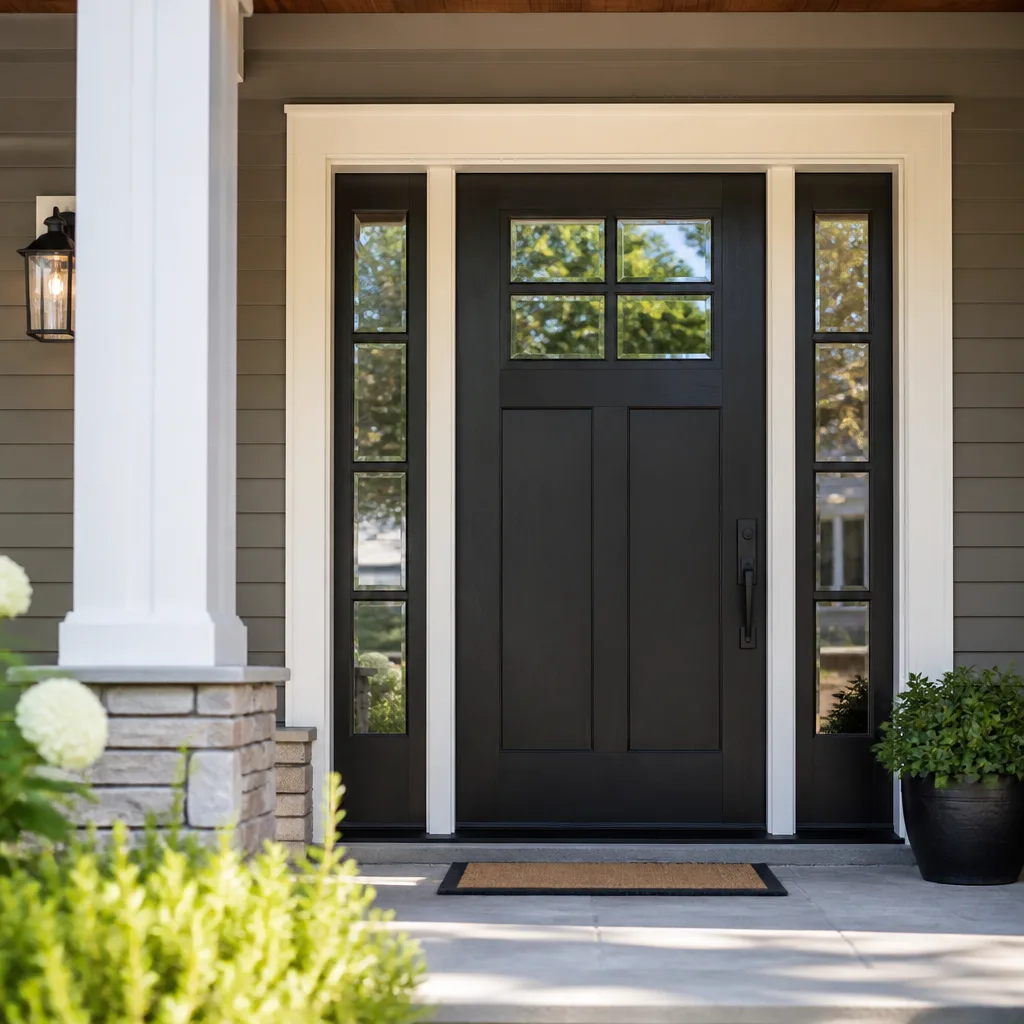
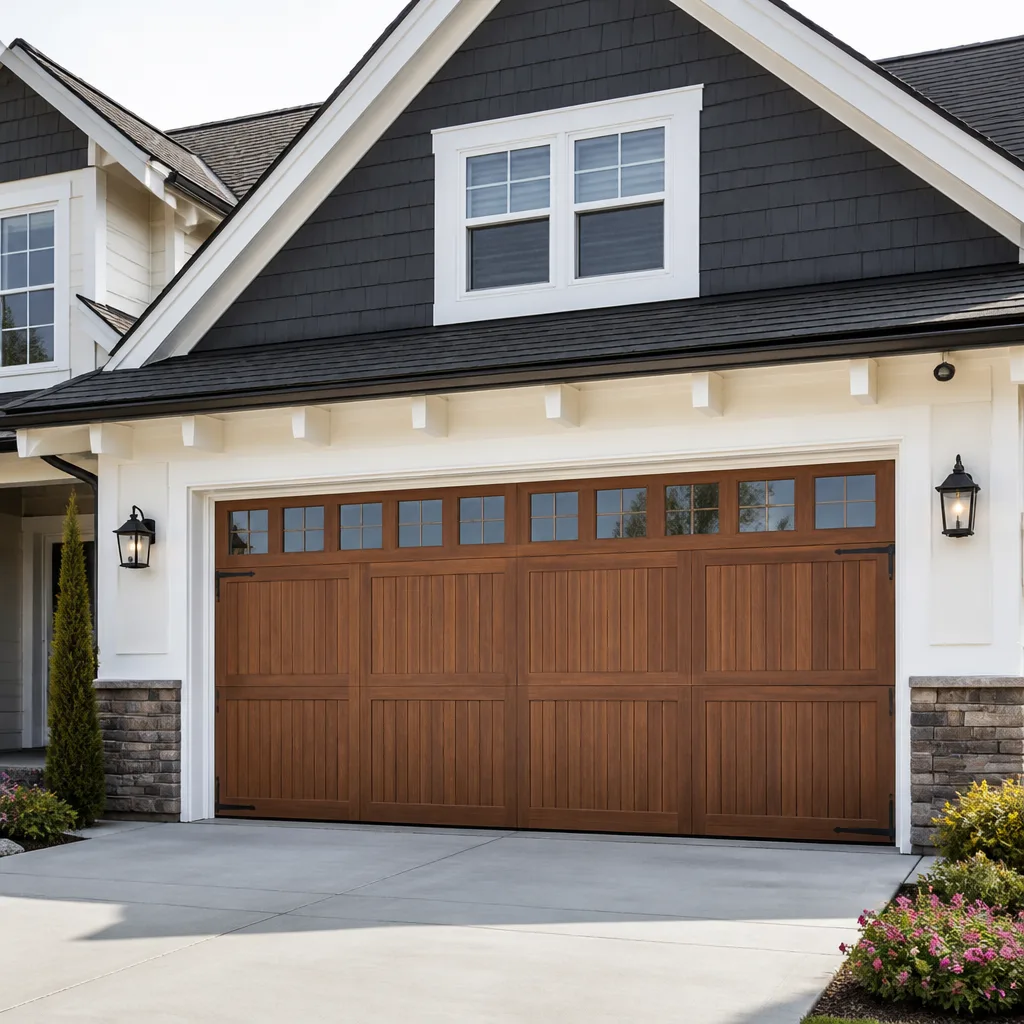
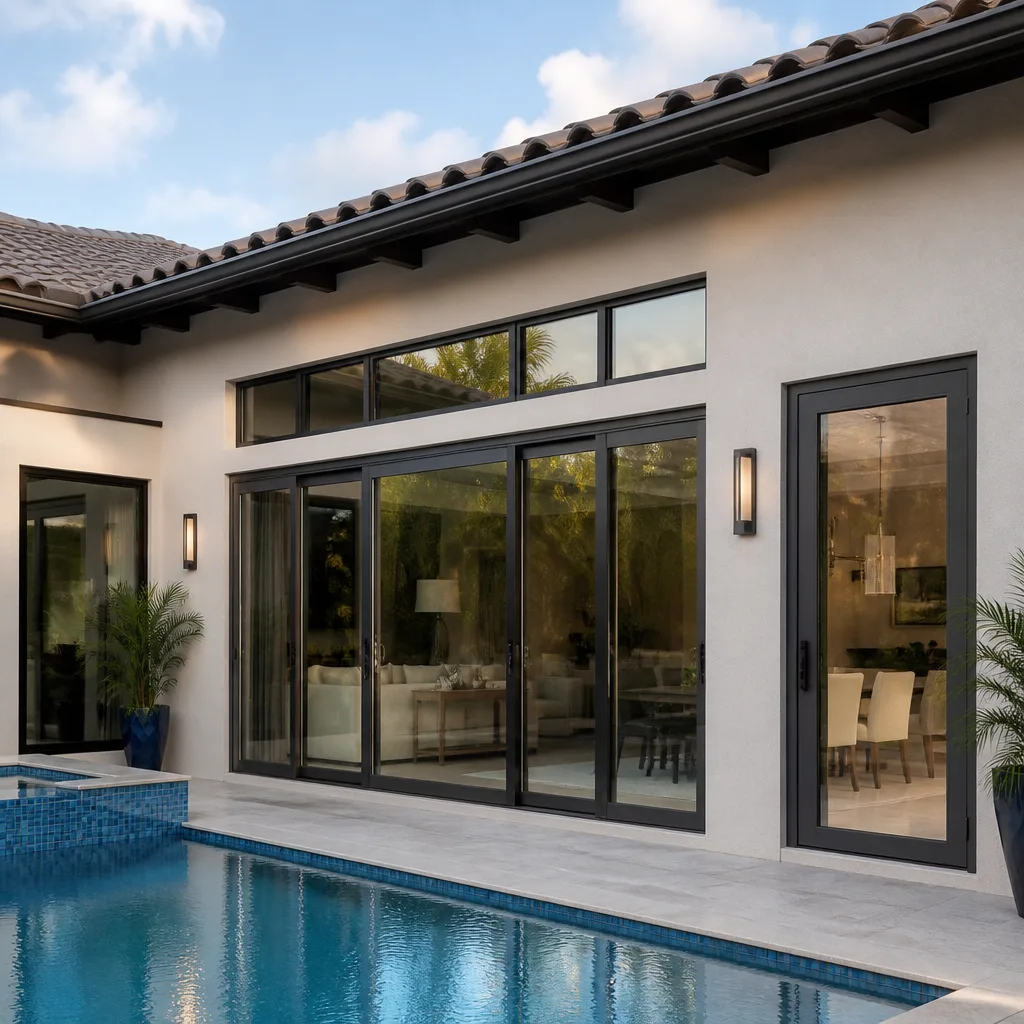
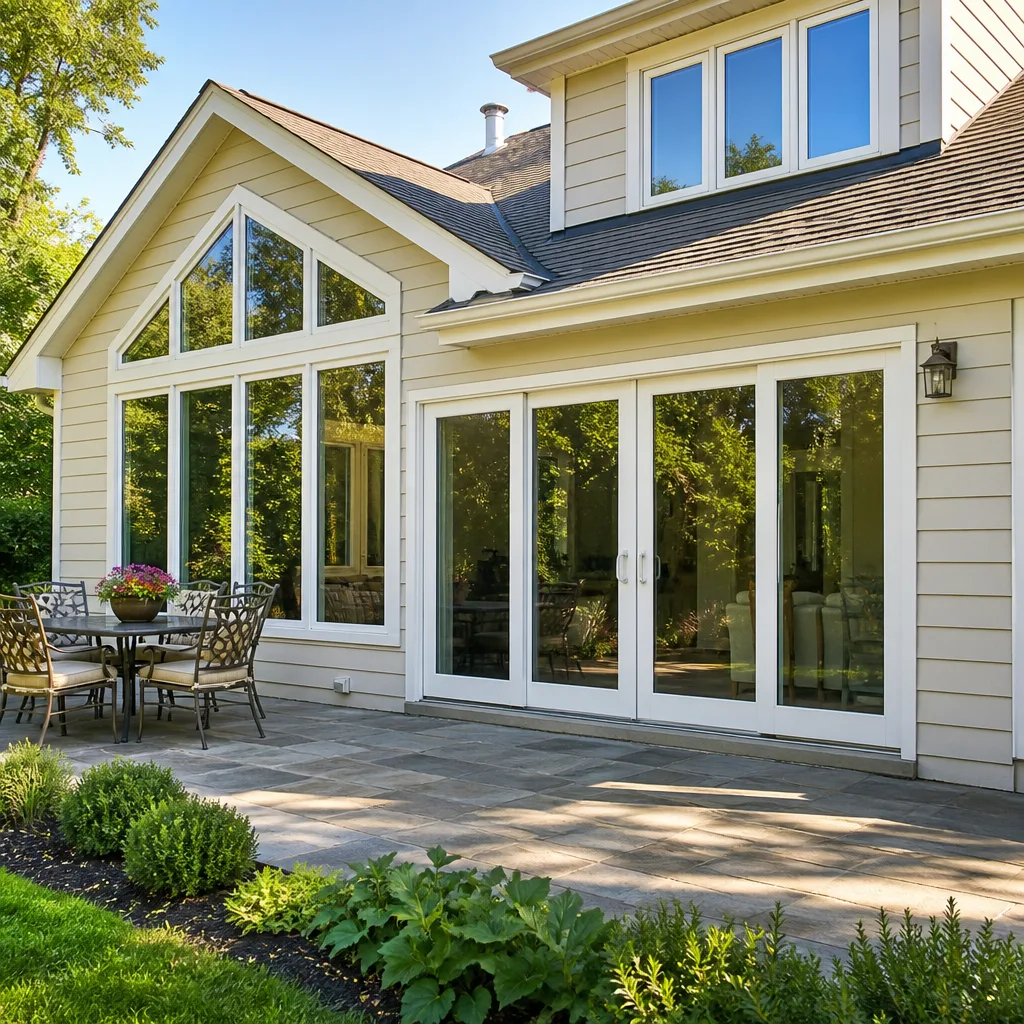
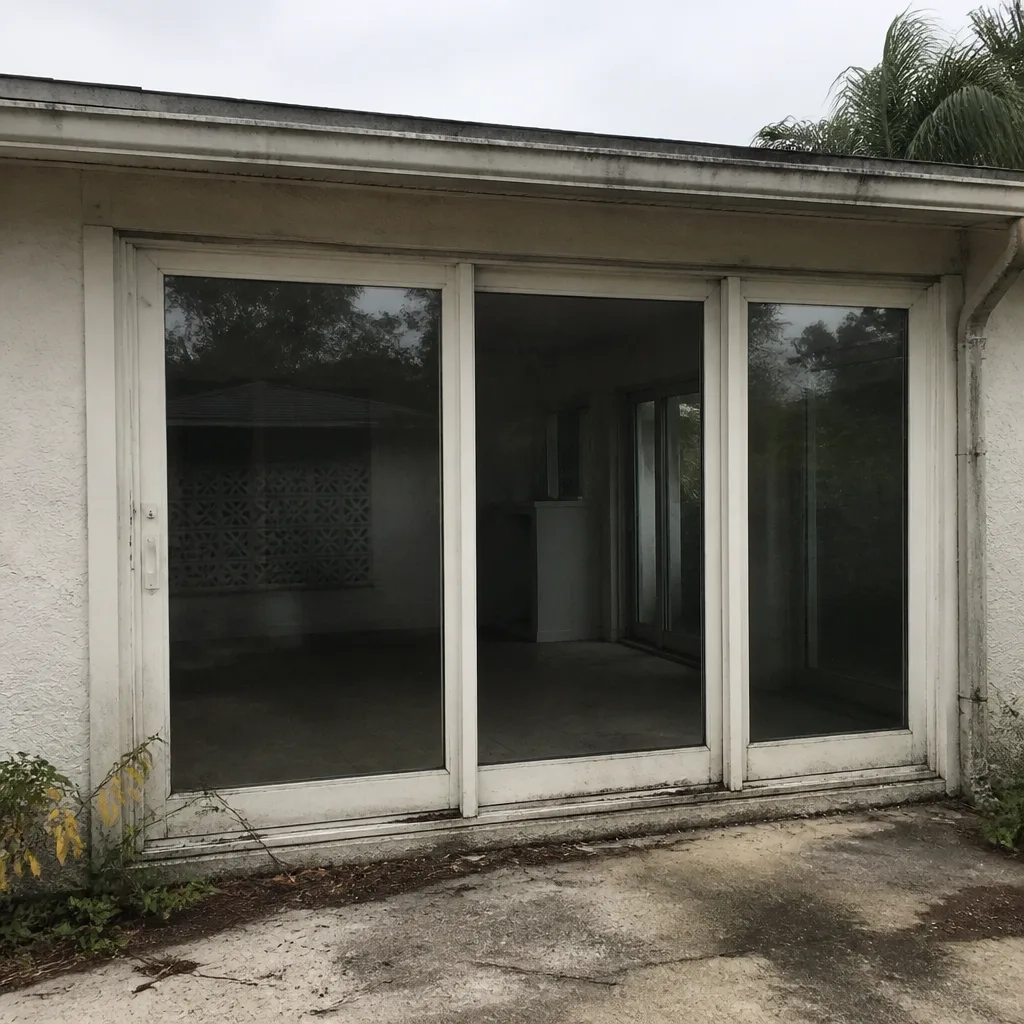 Before
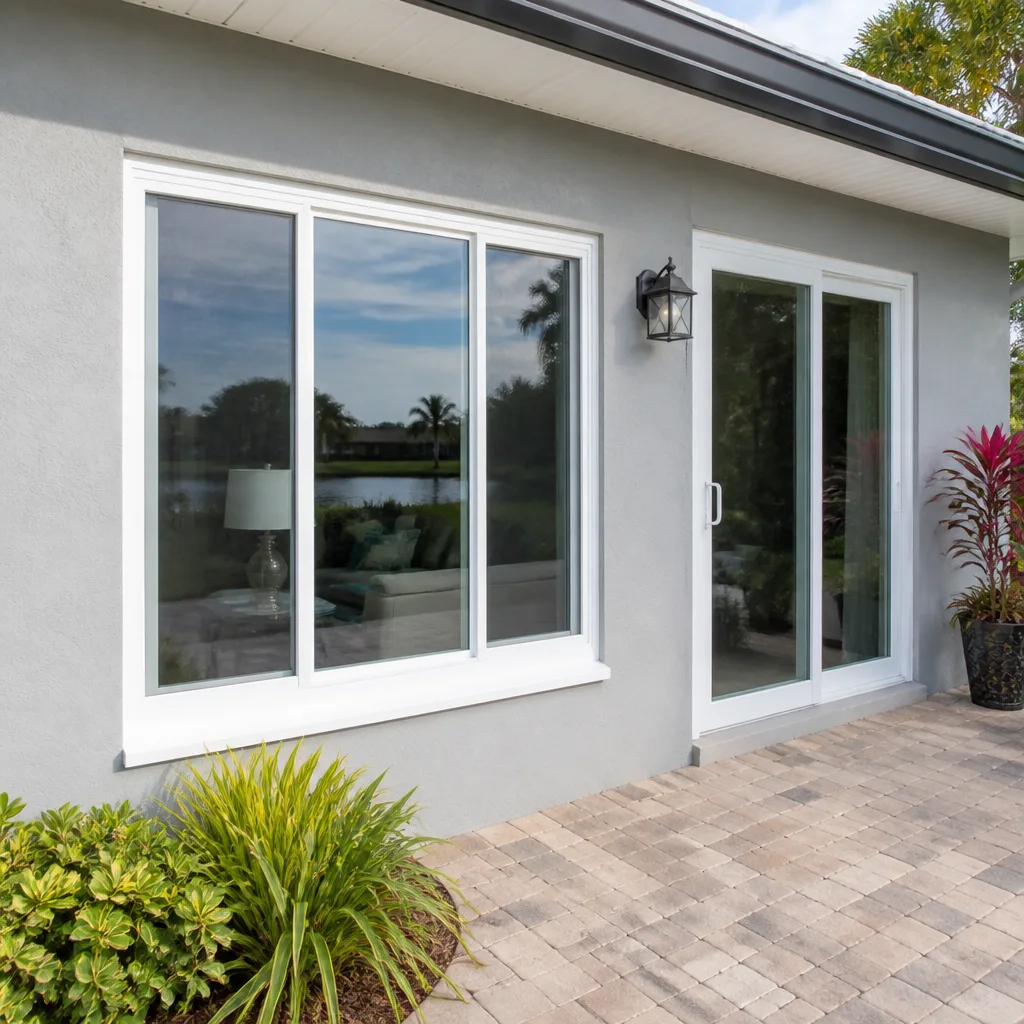 After
After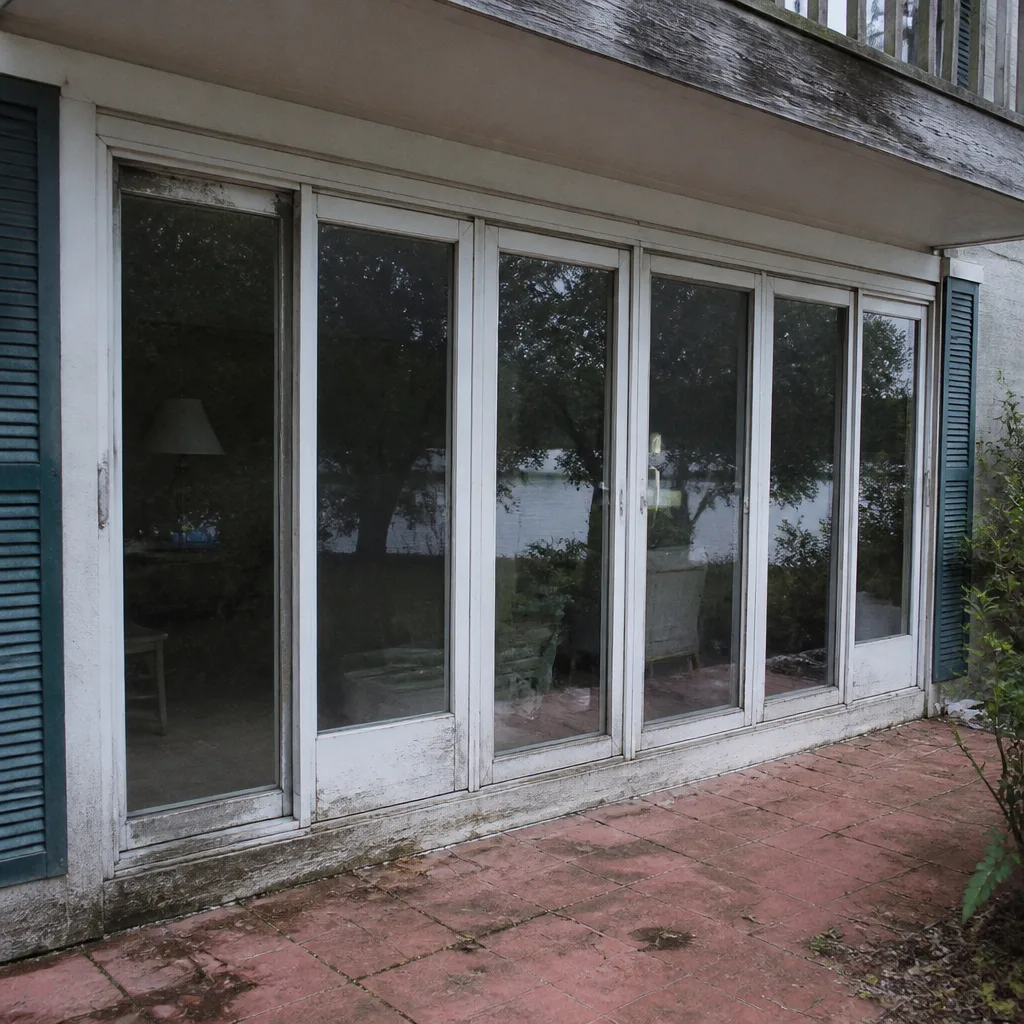 Before
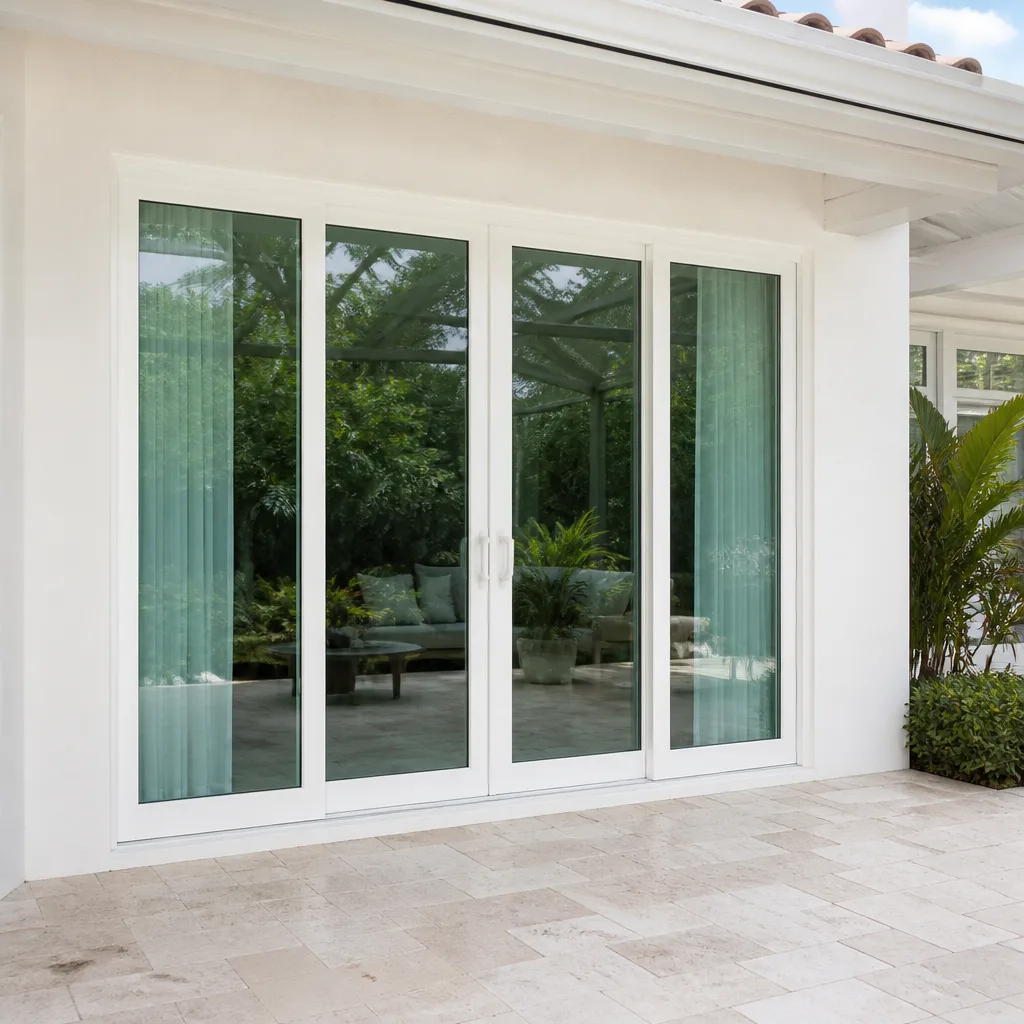 After
After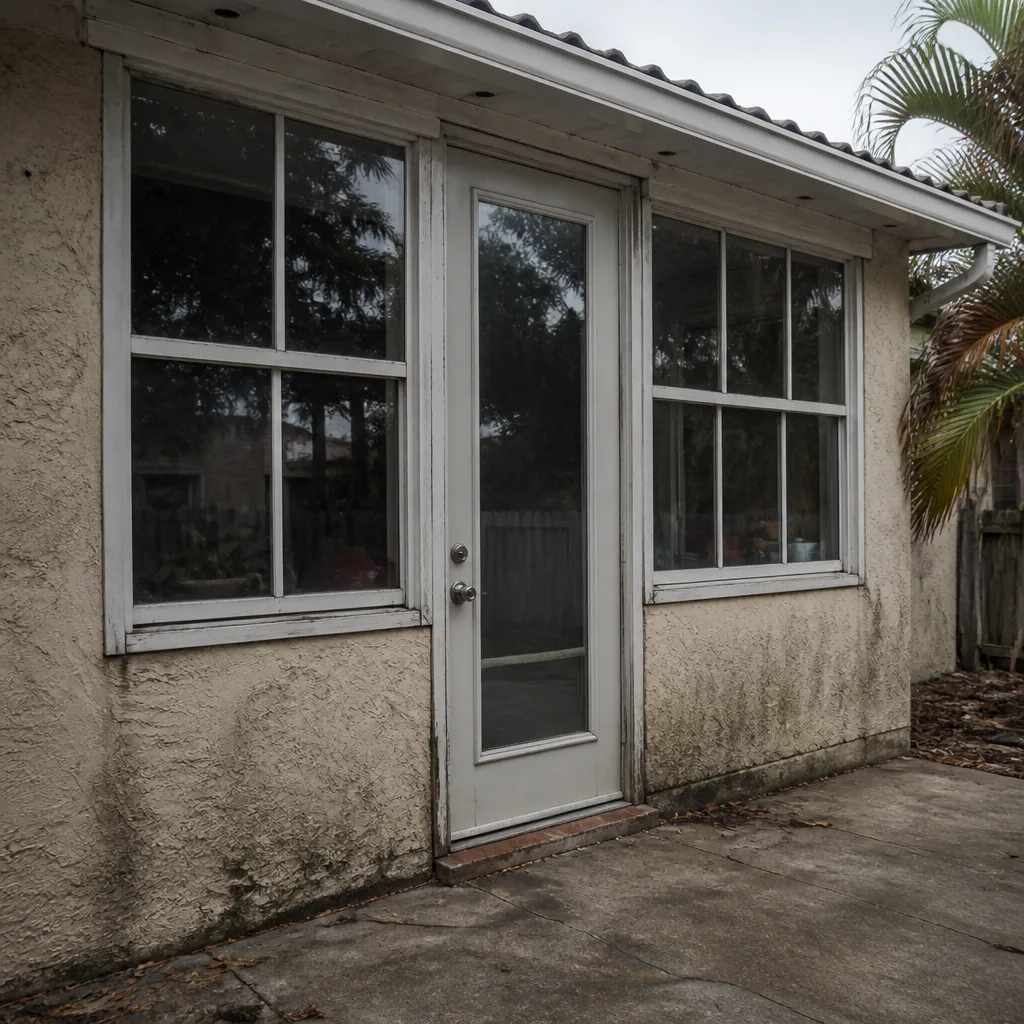 Before
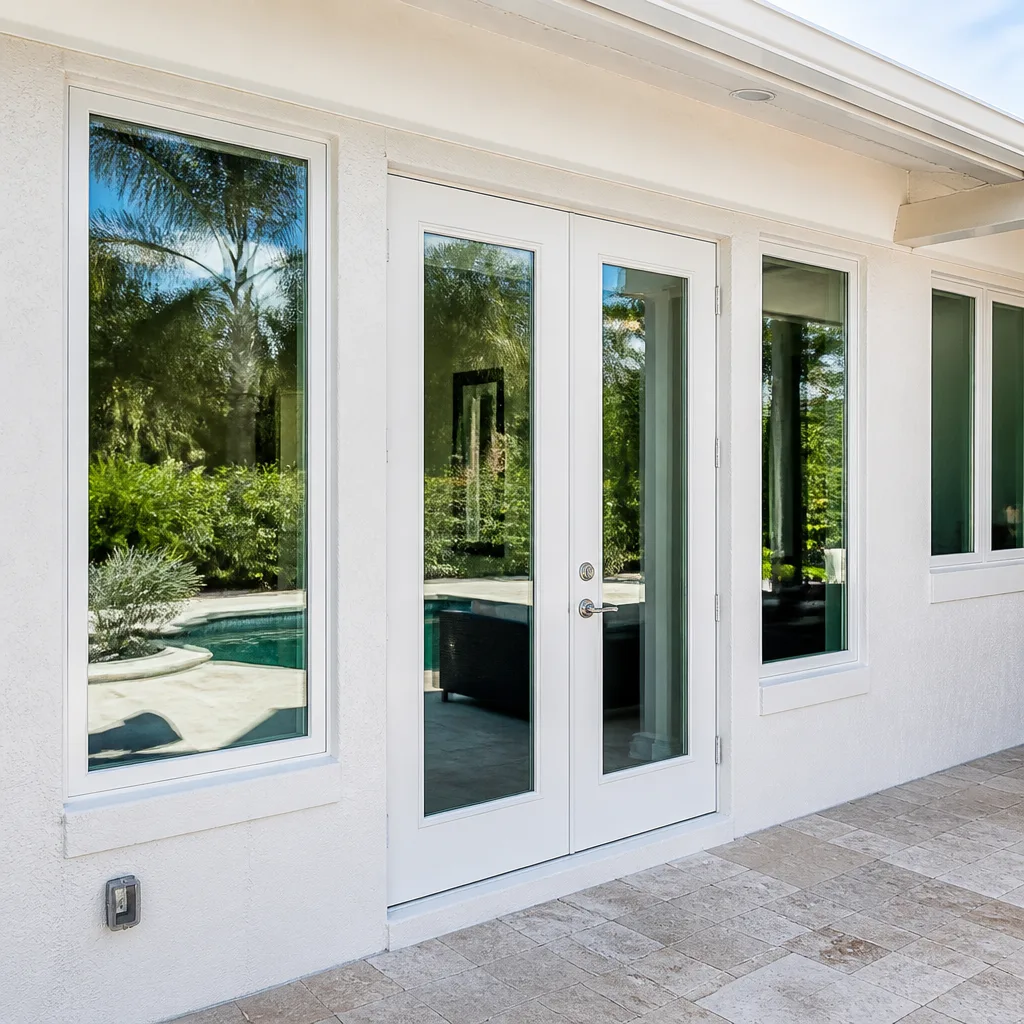 After
AfterHow to Hire a Windows & Doors Contractor in Sarasota: A Step-by-Step Guide
Florida’s DBPR license lookup takes about 90 seconds, yet a Sarasota homeowners’ association survey found that fewer than one in five residents verified their contractor’s license before signing a window or door contract. That single step would have flagged every unlicensed operator in the group. Sarasota’s post-hurricane replacement boom has drawn legitimate, skilled installers and a wave of storm-chasers who undercut bids, do marginal work, and vanish when a warranty claim arrives. This guide gives you a concrete vetting sequence, not a generic checklist, alongside our more guides & resources. You’ll learn exactly what to check, what to ask, and what a real Sarasota window and door contractor looks like on paper before you sign anything.
Quick Answer
To hire a windows and doors contractor in Sarasota, start by verifying their Florida DBPR license number (look for a “CRC” or “CGC” prefix, not just a manufacturer’s dealer listing), confirm they pull and close their own permits with Sarasota County, and require a written contract that names both the manufacturer and the installer in the warranty terms. Ask the contractor to walk you through the Sarasota County inspection sequence for window and door replacements; a licensed local installer will know it cold. Then compare at least two licensed bids and check references from work done in Sarasota within the last two years.
Table of Contents
- Step 1: Verify the License Before You Verify the Pitch
- Step 2: Understand Why “Manufacturer-Certified” Is Not a License
- Step 3: Read the Contract Like a Sarasota Building Inspector
- Step 4: Ask Who Pulls the Permit, and Who Closes It
- Step 5: Interview Them on the Sarasota Inspection Sequence
- Step 6: Compare Bids by Line Item, Not by Lump Sum
- Step 7: Check References From Recent Sarasota Work
- Common Mistakes to Avoid
- When to Call a Professional
- Frequently Asked Questions
- The Bottom Line
Step 1: Verify the License Before You Verify the Pitch
Before you fall in love with a product brochure or a low bid, check the contractor’s Florida DBPR license number. The Florida Department of Business and Professional Regulation maintains a public, searchable database at myfloridalicense.com. A legitimate window and door contractor in Sarasota County will hold a Certified Residential Contractor (CRC), Certified General Contractor (CGC), or in some cases a specialty structure license. The license number follows a predictable format: two letters for the license type, followed by six digits. A CRC license looks like “CRC1330123.” If the number on a proposal is just a salesperson’s name on a manufacturer’s dealer page, that’s not a license.
Here’s the sequence that flags problems fast:
- Ask the contractor for their Florida DBPR license number in writing before the first site visit. A real local contractor gives it without hesitation.
- Look up the number on the DBPR website. Confirm the license is active, not expired, revoked, or probationary.
- Check that the license holder’s name matches the person signing the contract. A license number that belongs to someone else is a red flag the size of a PGT impact window.
- Confirm there are no open complaints or disciplinary actions listed on the license. A pattern of unresolved complaints tells you more than any online review.
- Check insurance certificates. Florida requires workers’ compensation coverage and general liability. Ask for a certificate issued directly from the insurance carrier, not a photocopy from a binder.
In Sarasota specifically, we’ve seen proposals from “contractors” who operate under a sales outfit and sub the installation to whoever is cheapest that week. The DBPR check reveals that the sales entity holds no license at all. That’s the exact scenario where a homeowner ends up holding an unpermitted, uninspected, unwarrantied installation with no one to call. Ed Winslow puts his license number on every proposal because his name is on the business, and on every job we do.
Step 2: Understand Why “Manufacturer-Certified” Is Not a License
“Manufacturer-certified installer” is a marketing term. It means the installer completed a brand’s training program and can buy its products at wholesale. It does not mean the installer holds a Florida state contractor license, carries the required insurance, or can pull a permit in Sarasota County. The two are entirely different things, and a proposal that leans hard on the first while staying vague on the second should concern you.
Here’s how to tell the difference in a proposal:
- A manufacturer certification reads like a badge: “PGT Certified Installer,” “Therma-Tru Authorized Dealer,” or similar. It may appear as a logo or a line in the credentials section.
- A license reads like a legal identification: “FL License #CRC1330123” with a name attached. It should appear on the letterhead, the proposal, and the contract, not just verbally.
- Ask directly: “Is the person signing this contract the same person who holds the Florida contractor license?” If the answer is anything but a clear yes, walk away.
Manufacturer certifications matter for product knowledge and sometimes for warranty processing. Winslow Windows & Doors is an authorized installer for eight premium brands, including CWS, ES Windows, and ECO Window Systems. That means we can recommend products for specific Sarasota needs, from impact-rated windows for waterfront homes to energy-efficient glass for inland neighborhoods. But the legal authority to perform the work comes from our Florida license, not from any brand affiliation. When a proposal lists the brand logos but omits the license number, treat it as incomplete and consult our Impact Windows Maintenance Checklist for Sarasota Homeowners for what else to verify.
A neighbor you can call at 2 a.m. and someone will actually answer is worth more than a dealer wall covered in certificates. But both matter. Demand both.
Step 3: Read the Contract Like a Sarasota Building Inspector
Florida window and door contracts have specific red flags that show up again and again in Sarasota, particularly after hurricane season when demand spikes and less scrupulous operators rush to capture work. Here are the ones we tell our own friends and neighbors to watch for.
- Unsigned product approval numbers. Florida requires that impact products carry a Florida Product Approval number or a Miami-Dade NOA (Notice of Acceptance). A legitimate contract will list these numbers for every product being installed. If the contract says “impact windows” without a specific product approval number, you don’t actually know what you’re buying.
- Vague “allowances” for permit fees. A contract that says “permits as an allowance of $1,500” without a fixed line item is asking you to absorb cost overruns. A good contractor knows what a Sarasota County permit costs for a window and door replacement and writes the exact number in the contract.
- Warranties that reference the manufacturer but not the installer. A manufacturer warranty covers the product. It does not cover the installation. If a window leaks because it was installed wrong, the manufacturer will not pay for reinstallation. Your contract needs an explicit, written workmanship warranty from the installer, with a duration and a clear description of what’s covered.
- No start and completion dates. In Sarasota’s climate, an open-ended start date can leave a home with taped-up openings during summer rains. A real contract has a window for start and a realistic completion target.
- Deposit terms that exceed Florida’s legal limits. Florida law caps initial deposits for construction work at 10% of the total contract price or $1,000, whichever is less, for most residential projects. A request for 40% or 50% up front is not only suspicious, it’s potentially illegal.
Read every line. If a contractor is impatient with questions about the contract, that’s information. Ed’s name is on every contract we write because he’s the one who stands behind it.
Step 4: Ask Who Pulls the Permit, and Who Closes It
In Sarasota County, window and door replacement that changes the size of an opening, and most impact window retrofits, requires a permit. The question of who pulls that permit is one of the most consequential you will ask, and the answer has real legal weight.
When the contractor pulls the permit, the contractor is the party of record with Sarasota County. The contractor is responsible for scheduling inspections, making corrections, and closing out the permit. When a homeowner pulls the permit instead, often at the suggestion of an unlicensed operator trying to dodge the permitting requirement, the homeowner becomes legally responsible for the installation. If something fails, the county comes after the homeowner, not the installer.
Here’s the simple rule: a licensed contractor pulls the permit in their own name and closes it in their own name. Anything else is a workaround, not a standard practice.
Ask these questions in writing:
- “Will you pull the permit in your company’s name and license number?”
- “Will you close the permit after final inspection, or will that be my job?”
- “What happens if an inspection fails? Who corrects the work and who pays for the re-inspection?”
We pull every permit for every job we do in Sarasota. We close every permit, too. That’s not a favor we do; it’s part of the job. If a contractor can’t confirm both answers in writing, move on. In our experience watching the Sarasota market since 2011, the contractors who avoid permits are the same ones who avoid warranty calls.
Step 5: Interview Them on the Sarasota Inspection Sequence
Here’s a question that separates the real Sarasota window and door contractors from out-of-town crews working the post-storm market: “Walk me through the inspection sequence for this job in Sarasota County.” A licensed local installer will answer without pausing. A storm-chaser will stumble.
The sequence for a typical window or door replacement in Sarasota County goes like this:
- Permit issuance. The contractor submits the application, product approval numbers, and plans. Sarasota County reviews and issues the permit.
- Rough opening inspection (if applicable). For projects that alter structural openings, the county inspects the rough opening before the unit is installed, checking headers, jacks, and anchorage.
- Installation. The contractor installs the window or door per the product approval and manufacturer’s instructions.
- Fastener and anchoring inspection. For impact products, the county often requires an inspection of the anchoring pattern before trim and stucco cover the flange. This is a Sarasota-specific step that catches improper anchoring.
- Final inspection. The county confirms the installation is complete, airtight, watertight, and per code. Once this passes, the permit closes.
If a contractor can’t name these steps or tells you “we don’t really need inspections for a retrofit,” that contractor hasn’t done many permitted jobs in Sarasota. The anchoring inspection in particular is one that unlicensed crews routinely skip, and it’s the one that matters most when wind loads hit.
Our team at Winslow Windows & Doors knows this sequence because we’ve gone through it hundreds of times. We schedule inspections ourselves, we show up for them, and we correct anything the inspector flags. That’s what a done-right installation looks like in Sarasota.
Step 6: Compare Bids by Line Item, Not by Lump Sum
Two bids for the same window and door project in Sarasota can differ by thousands of dollars. The lump sum alone won’t tell you why. You need line items to compare what’s actually included, what’s excluded, and where the cheaper bid is cutting corners.
When you compare bids, look for these line items:
- Product specifics. Brand, model, size, glass type, impact rating, energy rating. A bid that says “impact window, white” is not a spec; it’s a guess.
- Permit fees. Fixed number, not an allowance.
- Disposal and haul-away. Old windows and doors don’t carry themselves from a Sarasota home to a landfill.
- Trim, stucco repair, and paint. Impact window retrofits often disturb the exterior stucco. A bid that doesn’t include stucco patching is leaving out a cost you’ll discover later.
- Flashing and sealant. This is where water intrusion starts. It should be a named line item, not an afterthought.
- Workmanship warranty. Duration, scope, and who honors it.
Upfront pricing means no surprises on the invoice. We write line-item bids for every Sarasota job, from a single door replacement to a full window replacement in Sarasota. If a competing bid is missing line items, ask why. A missing line item isn’t a savings; it’s a future surprise.
Step 7: Check References From Recent Sarasota Work
Anyone can show a gallery of beautiful finished projects. What matters is what happened after the check cleared. References from recent work tell you about follow-through, cleanup, schedule reality, and how the contractor handled problems.
Ask for references from at least three projects completed in Sarasota in the last two years. Call them. Here’s what to ask:
- “Did the crew show up when they said they would, and did the job take as long as quoted?”
- “Was the final invoice the same as the estimate, aside from changes you asked for?”
- “Did the contractor pull and close the permit?”
- “Have you had any warranty issues? How quickly did they respond?”
- “Would you hire them again for another window or door project?”
A contractor who hesitates on references or offers only out-of-town projects should concern you. We serve Sarasota homeowners as the one down the road, and our references are local because our work is local. Ask for them. We’re glad to share.
Common Mistakes to Avoid
- Hiring on price alone. A bid that’s 30% below the next lowest is not a bargain in Sarasota’s market; it’s missing something, usually permits, insurance, or a real workmanship warranty. You’ll pay for it later.
- Accepting “manufacturer-certified” as proof of licensure. A PGT or Therma-Tru badge is a training credential, not a Florida contractor license. Verify the DBPR number separately, every time.
- Pulling the permit yourself because the installer suggested it. This shifts installation liability to you. A licensed contractor pulls and closes their own permits. No exceptions.
- Signing a contract with product approval numbers missing or vague. If the contract doesn’t name the exact product with its Florida Product Approval number, you don’t know what’s being installed in your Sarasota home.
- Ignoring the anchoring inspection. In Sarasota’s wind zone, impact windows are only as good as the fasteners holding them in place. A contractor who skips the anchoring inspection is cutting a corner you will not see until it matters.
- Skipping local references. A contractor who did good work in Tampa may not understand Sarasota County’s permitting and inspection process. Local references prove local competence.
- Paying more than 10% down. Florida law limits initial deposits for most residential work. A large upfront ask is a warning sign, not a standard practice.
When to Call a Professional
Window and door replacement in Sarasota is not a weekend project. Impact-rated products require precise anchoring, flashing, and sealant work that keeps hurricane-force wind and water out of your home. If your project involves changing an opening size, installing impact windows, or replacing a door that carries structural load, a licensed contractor is not optional; it’s the only safe path. High-tension components and structural frames carry real risk to your home and to anyone doing the work. If you have a window or door that is leaking, fogged, or damaged, or you’re planning to upgrade to impact products before the next storm season, get a professional assessment. For year-round upkeep tips, see our Seasonal Windows & Doors Care for Sarasota: Year-Round Homeowner’s Guide. Winslow Windows & Doors offers free estimates in Sarasota; call (941) 267-0779 and we’ll walk the project with you line by line.
Frequently Asked Questions
Go to the Florida DBPR website at myfloridalicense.com and enter the contractor’s name or license number. A valid window and door contractor license in Florida typically carries a “CRC” or “CGC” prefix followed by six digits. Confirm the license is active, matches the person signing your contract, and shows no unresolved complaints. Call (941) 267-0779 if you want help understanding what to look for.
A manufacturer certification, such as PGT or Therma-Tru certification, is a training credential that allows an installer to purchase and install a brand’s products. A Florida contractor license is a legal authorization issued by the DBPR to perform construction work. Only a licensed contractor can pull a permit in Sarasota County; manufacturer certification alone does not authorize that.
Window installation in Sarasota typically runs from $650 to $1,600 per opening for standard impact units, while full impact-rated window and door packages across a home range from $15,000 to $45,000 or more depending on product line, opening count, and structural conditions. For deeper pricing context, see our Windows & Doors Cost Breakdown: The Sarasota Homeowner’s Reference for 2026. A single front door replacement ranges from $1,200 to $4,500. For an exact line-item quote on your specific home, call (941) 267-0779; estimates are free and written, not verbal.
The contractor should pull the permit in their own name and license number. When the contractor pulls the permit, they carry the legal responsibility for code compliance and final inspection. A homeowner-pulled permit transfers that liability to the homeowner, which is a risk no unlicensed installer should ask you to take.
An anchoring inspection verifies that the impact window or door is fastened to the structure with the correct fastener type, spacing, and embedment per the product approval. Sarasota County performs this inspection before trim and stucco cover the flange. It’s a critical step because impact products fail in wind storms when anchoring is skipped or done wrong.
A manufacturer warranty covers the product itself, such as glass seal failure or frame defects. It does not cover installation errors. That requires a separate workmanship warranty from the installer, which should be written into your contract with a specific duration and scope. At Winslow Windows & Doors, every installation includes our 36500-Day Done Right Promise; call (941) 267-0779 for the details in writing.
The Bottom Line
Hiring a windows and doors contractor in Sarasota is an exercise in verification, not trust. Check the DBPR license, separate manufacturer certifications from state authorization, read the contract for Florida-specific red flags like missing product approval numbers, and insist on a contractor who pulls and closes their own permits. Interview candidates on the Sarasota County inspection sequence and ask for local references. The contractor who passes those tests will give you a line-item bid, a written workmanship warranty, and a real name to call when you need one. Ed Winslow built Winslow Windows & Doors home on that standard in 2011, and our Impact Windows in Sarasota work carries the 36500-Day Done Right Promise every time. For a free estimate on window or door work in Sarasota, call (941) 267-0779. The one down the road.
Written by Ed Winslow, Owner at Winslow Windows & Doors, serving Sarasota since 2011.
Six Reasons Homeowners Choose Winslow Windows & Doors
Impact systems engineered to design pressures up to +/-100, matched to your wind zone - your openings hold when the storm arrives.
Low-E insulated impact glass from our manufacturer lines commonly cuts monthly cooling bills 20-30%.
Laminated impact glass shuts out up to 40% of outside noise - traffic, neighbors, weather.
Monitoring services run $30-90 a month. Laminated impact glass resists forced entry around the clock, with no subscription.
Florida homeowners average around 25% savings on the windstorm portion of their policy after protecting every opening - some homes qualify for more.
A full impact package upgrades curb appeal, buyer confidence and appraised value in one project.