
Last updated August 28, 2026
Free in-home measure and quote - PGT, CGI and CWS impact lines compared on your actual openings, style by style
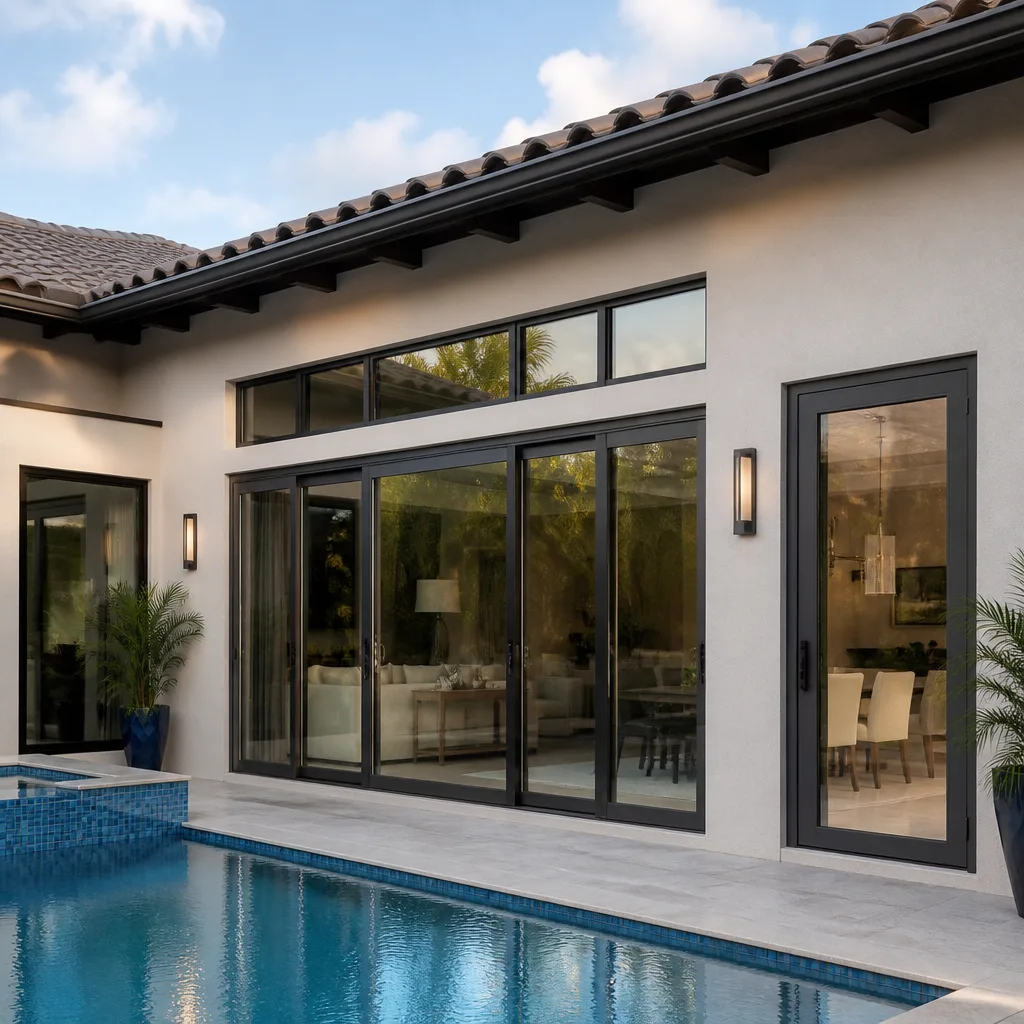

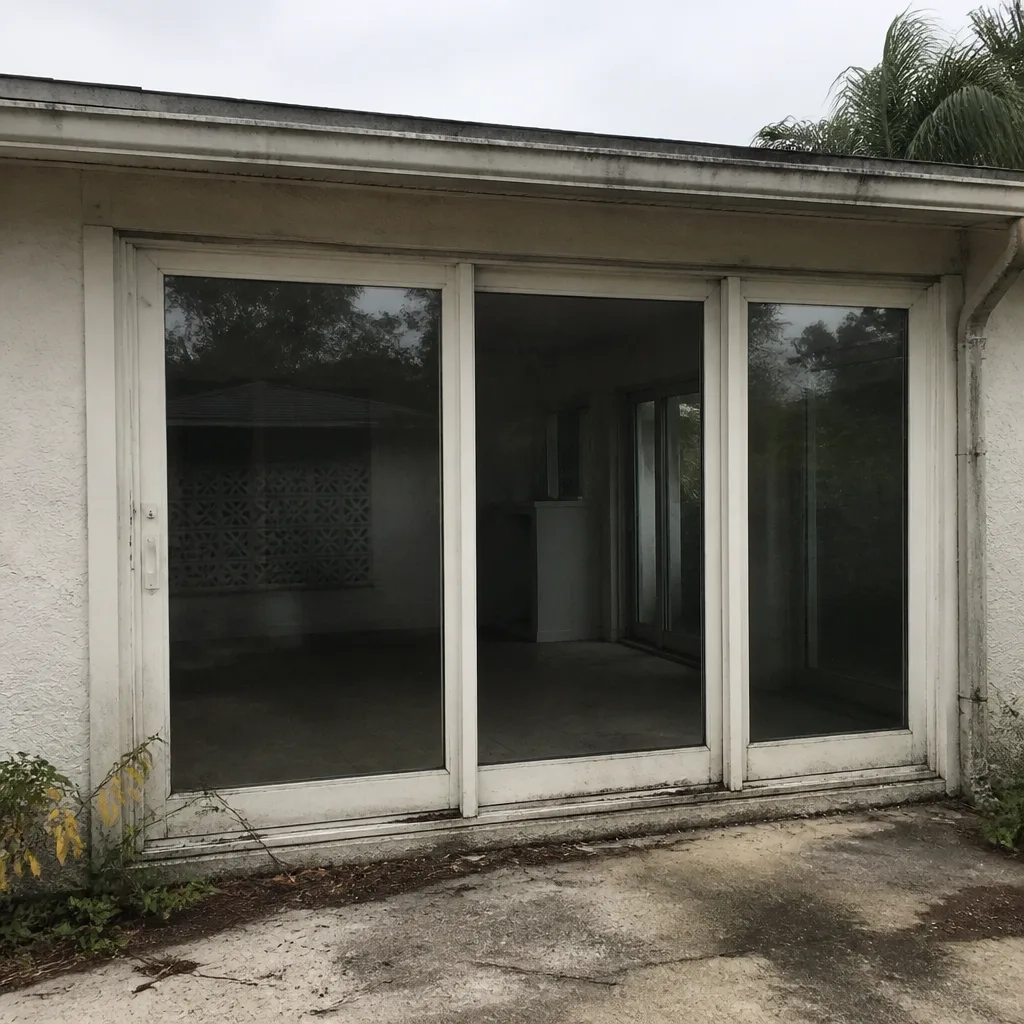 Before
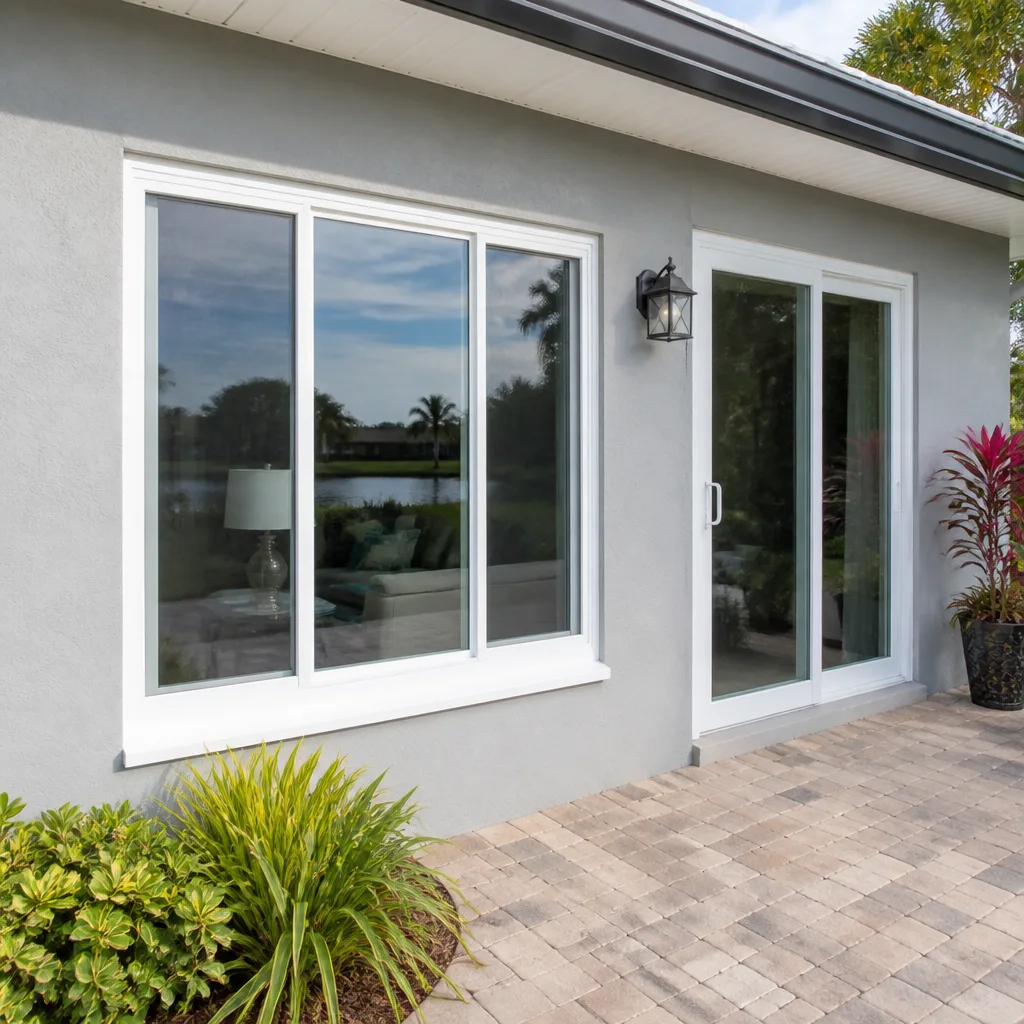 After
After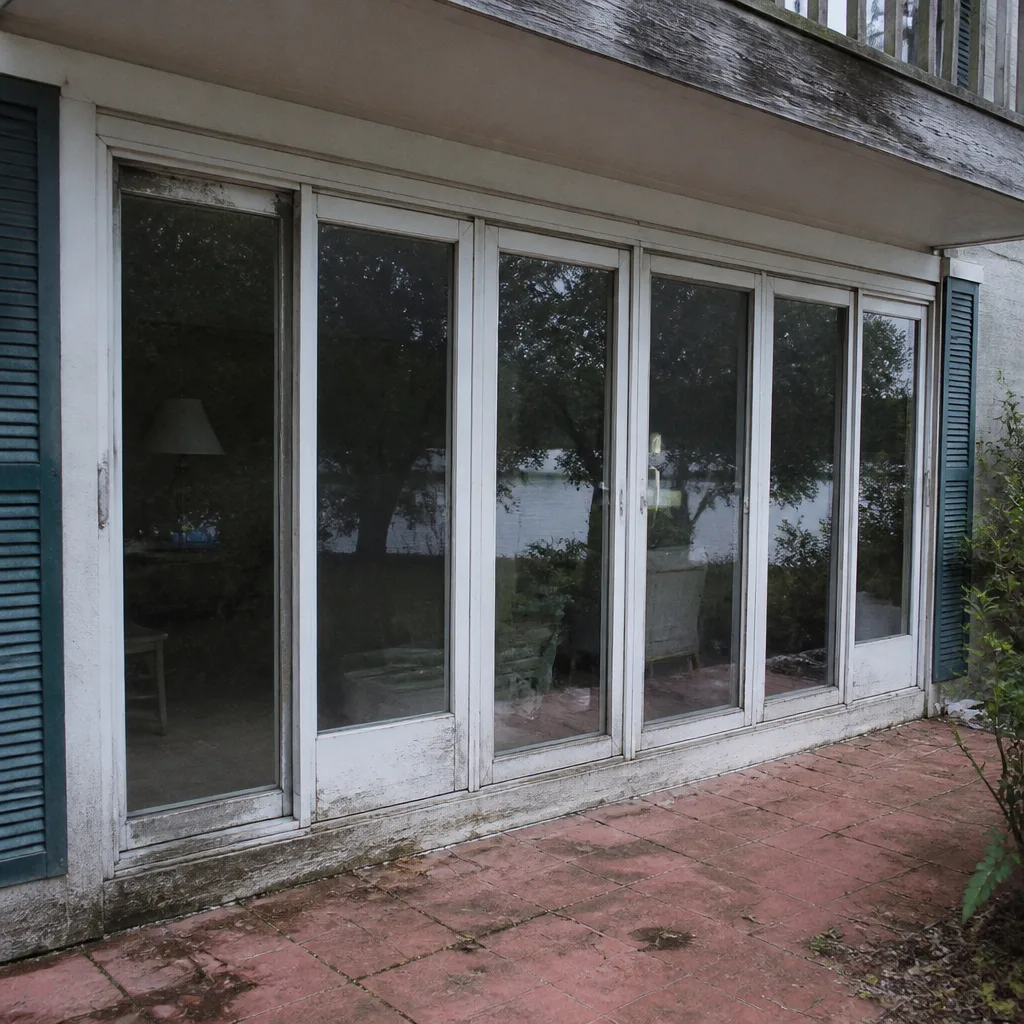 Before
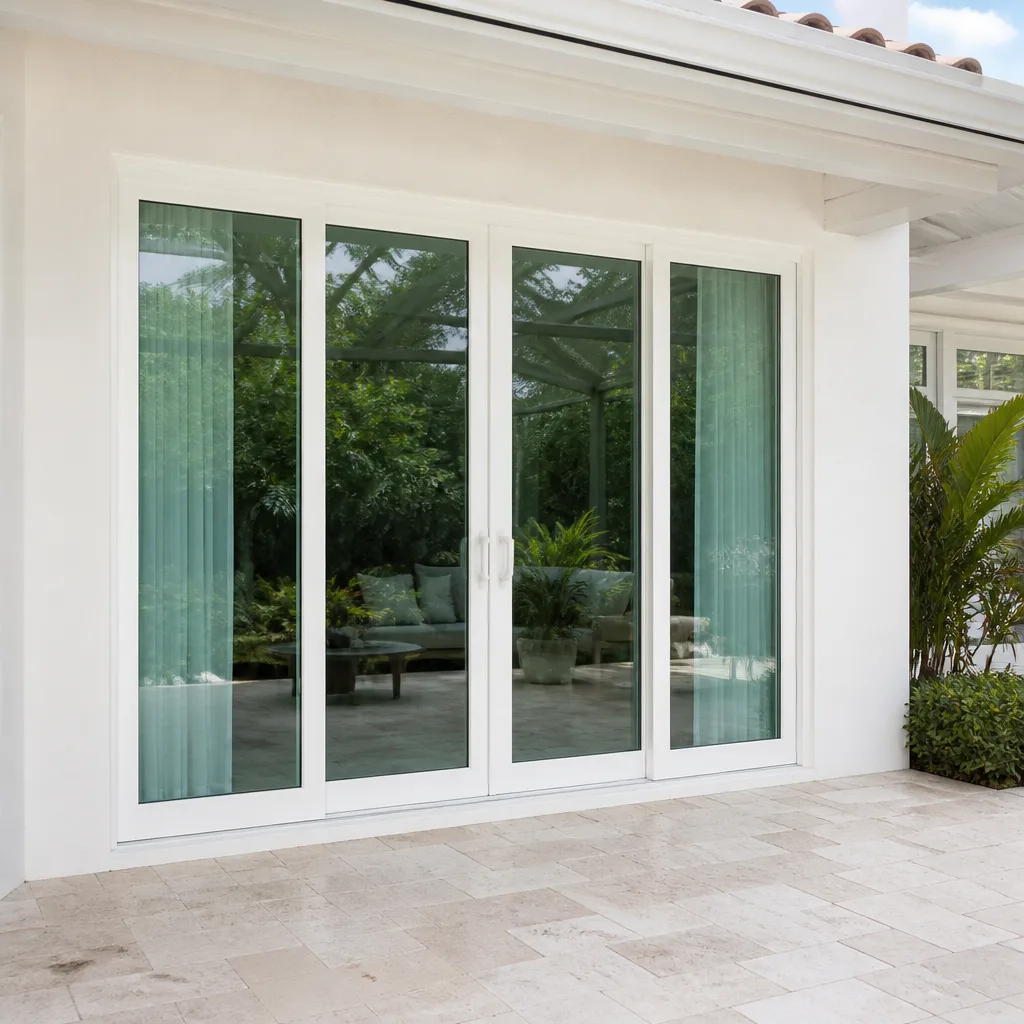 After
After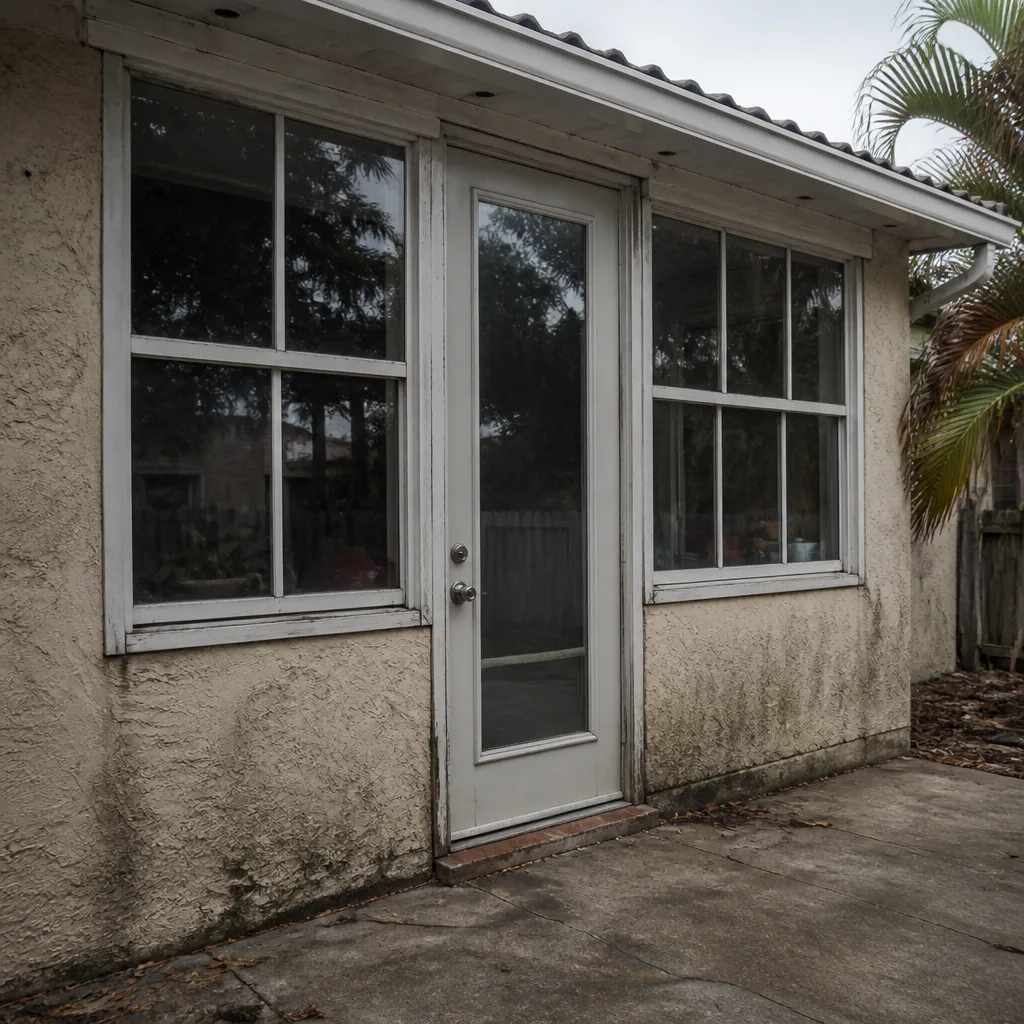 Before
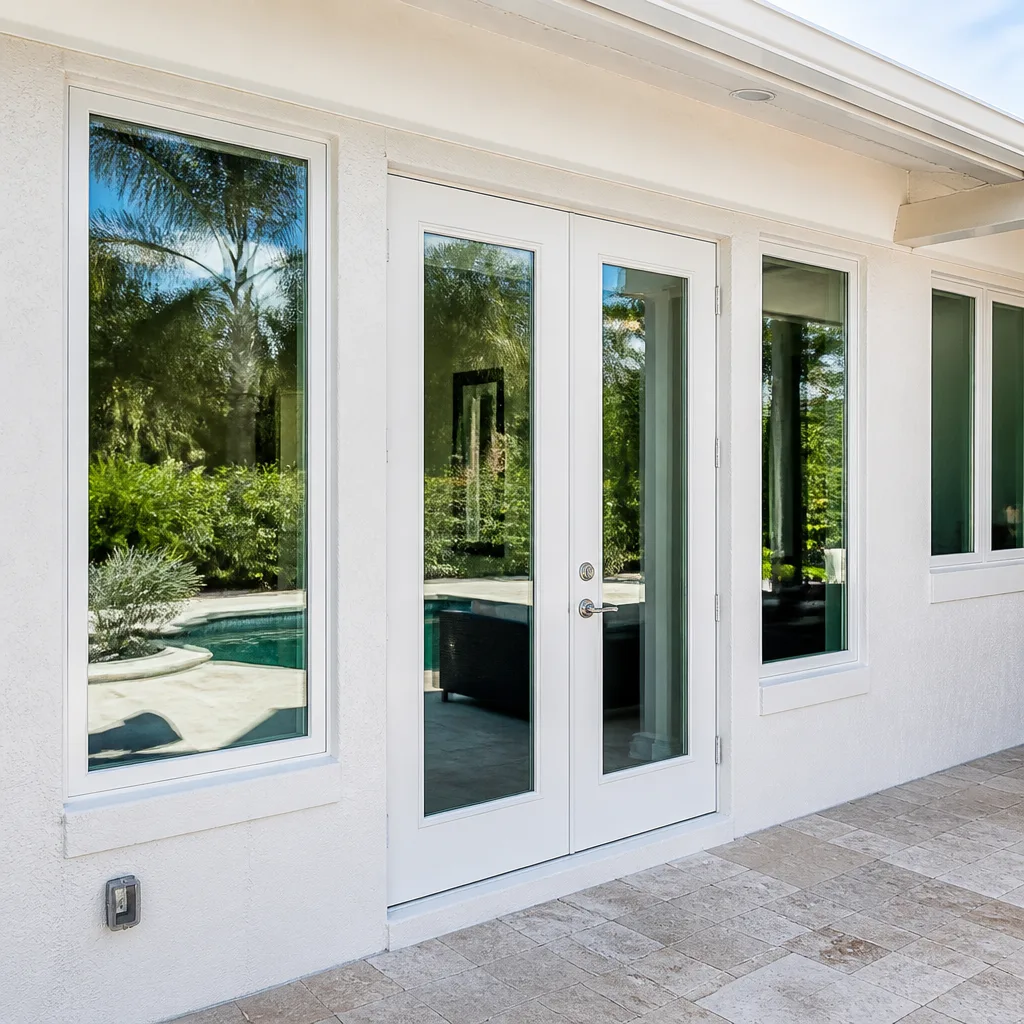 After
AfterImpact Windows Maintenance Checklist for Sarasota Homeowners
The laminated glass in your impact windows will almost certainly outlast the frame seals and weep holes, and a clogged weep hole on a Sarasota home during a Category 1 band can force water infiltration at lower pressure than the window was ever rated to handle. Most homeowners in Sarasota don’t lose impact windows to flying debris. They lose them to salt air, UV exposure, and humidity working quietly on the components no one thinks to check. This guide gives you a specific, timed maintenance routine that keeps your impact windows performing at rated capacity for decades, not just the first few years after installation.
Quick Answer
Impact window maintenance in Sarasota comes down to a monthly weep-hole check, quarterly hardware lubrication, twice-yearly frame cleaning with salt-neutralizing solutions, and a full post-storm inspection after any named storm passes within 50 miles. You’ll spend roughly 40 minutes per month total, and that routine protects both your Florida Product Approval status and your insurance documentation.
Table of Contents
- Monthly Weep Hole Inspection: The Most Overlooked 10 Minutes in Sarasota
- Testing Glazing Integrity: The Thumbnail-Pressure Method
- Frame Material Care: Aluminum, Vinyl, and Fiberglass Under Gulf Coast UV
- Hardware Lubrication Schedule: Why Salt Air Turns a Nuisance Into a Code Issue
- Post-Storm Inspection: Protecting Your Florida Product Approval
- The Seasonal Maintenance Routine: Month-by-Month for Sarasota
- Common Mistakes to Avoid
- When to Call a Professional
- Frequently Asked Questions
- The Bottom Line
Monthly Weep Hole Inspection: The Most Overlooked 10 Minutes in Sarasota
Weep holes are the small drainage openings at the bottom exterior edge of your window frame. In Sarasota, they collect a specific mix of fine quartz sand, salt crystals, and organic debris that forms a cement-like paste when it gets wet and dries in the sun. Once a weep hole clogs, rainwater that should drain outward backs up inside the frame channel. During a wind-driven storm, that trapped water can push through the interior seal at pressure far below what your impact windows are rated to handle.
The fix is simple and takes less than ten minutes per window, but it has to be done every month during rainy season and every other month during the dry stretch from November through April. Here’s the method that works best for the debris profile we see across Sarasota, from Pinecraft to Palmer Ranch:
- Locate every weep hole. On sliding windows, there are usually two or three along the bottom track. On casement and single-hung windows, check the exterior bottom rail. PGT and CGI frames typically have two holes per sash; ES Windows and ECO Window Systems use a narrower slot design that clogs faster in sandy conditions.
- Clear loose debris with a soft-bristle brush. A dry paintbrush or old toothbrush works. Don’t use anything metal because you’ll scratch the frame coating and create a corrosion point.
- Flush with fresh water. Pour a small amount of water directly into the weep hole from the outside and watch for drainage on the exterior. If water pools inside the track, the clog is deeper than surface debris.
- Clear stubborn blockages with a pipe cleaner or compressed air. If water still doesn’t drain, gently work a pipe cleaner through the hole from the exterior side. For salt-crusted buildup, compressed air at low pressure usually breaks it loose. Avoid wire, dental picks, or coat hangers because the sharp edges will gouge the frame.
- Re-test with water. If drainage is still slow, the internal drainage channel is blocked, and that’s a sign the frame needs professional attention before the next storm season.
In neighborhoods close to the water like Siesta Key, Lido Key, and Longboat Key, we recommend checking weep holes weekly during August and September. The combination of daily thunderstorms and airborne salt means holes that stay clear for a month downtown can clog within days on the barrier islands. The fix itself stays the same, but the interval changes based on how close you are to the surf line.
If you want to see what proper weep-hole drainage looks like on a professionally maintained window, the team at Winslow Windows & Doors home can walk you through it on your first service visit. It’s the kind of thing that’s obvious once someone shows you, but invisible until then.
Testing Glazing Integrity: The Thumbnail-Pressure Method
Glazing compound is the material that seals the glass to the frame, and on impact windows it does double duty. It keeps water out of the insulated air space between the panes, and it keeps the laminate bonding intact so the glass performs as a single structural unit during a storm. When glazing starts to fail, it fails quietly. You won’t see a crack. You’ll see a faint white haze developing along the edge of the glass, or you’ll feel a slight give when you press on the pane.
The thumbnail-pressure method is the simplest way for a homeowner to flag failing glazing before it becomes a full seal failure, and it requires no tools and no removal of the sash:
- Run your thumbnail along the seam where glass meets frame. On all four edges of each pane. The compound should feel firm and slightly rubbery, like a pencil eraser.
- Watch for crumbling or flaking. If small particles break off under your thumbnail, the compound is oxidizing. That’s the first stage of failure, and in Sarasota’s UV environment, it accelerates quickly once it starts.
- Press gently on the center of the glass. Impact-rated glass should have zero perceptible movement. If you feel even a millimeter of flex, the glazing is no longer holding the edge bond, and the window is no longer performing at its rated capacity.
- Check for moisture between the panes. A double-paned impact window with a broken seal will fog from the inside, but early-stage seal failure shows as a slight distortion at the edges when you look across the glass at a sharp angle, especially in morning light.
- Mark the date and re-test quarterly. If you catch it in the crumbling stage, professional re-glazing is often possible without replacing the sash. Miss it, and you’re typically looking at a full sash replacement.
We see glazing failure most often on windows that face south or west in Sarasota. The afternoon UV loads on those exposures are brutal, and they break down even premium compounds faster than manufacturers’ generic guidelines suggest. Homes in Lakewood Ranch and east Bradenton with direct western exposure tend to show seal degradation three to five years earlier than north-facing windows on the same house. If you’re doing the thumbnail test on a southern exposure, do it twice as often.
When glazing reaches the point where re-glazing won’t restore the rated performance, Window Replacement in Sarasota covers what to expect from a full swap, including how to match existing frames and maintain your Florida Product Approval documentation.
Frame Material Care: Aluminum, Vinyl, and Fiberglass Under Gulf Coast UV
Sarasota’s UV index runs high or extreme from March through October, and that changes how each frame material ages. The wrong cleaner on the wrong frame can cause micro-cracking, and micro-cracking is where salt water gets in and corrosion starts. Here’s what each material needs:
Aluminum Frames
Most impact windows in Sarasota have aluminum frames, and they’re the most durable option for coastal conditions. But aluminum reacts with salt in a specific way. The clear anodized or powder-coated finish is doing all the work, and once that finish is scratched or worn through, the metal underneath will pit. Clean aluminum frames quarterly with a solution of one part white vinegar to three parts water, applied with a microfiber cloth. Never use abrasive cleaners, and never use ammonia-based glass cleaner on the frames because it strips the protective coating over time.
The critical inspection point on aluminum frames is the corner welds and the screws on the interior side. Salt air collects in those recesses, and we regularly see pitting around screw heads on windows that are otherwise in good condition. A thin coat of marine-grade silicone lubricant on interior hardware screws once per year prevents that pitting from starting.
Vinyl Frames
Vinyl frames are common on newer homes and on impact windows from manufacturers like Mr-Glass. Vinyl doesn’t corrode, but it oxidizes under UV, and that oxidation shows up as a chalky white residue on the surface. The chalky layer itself is harmless, but it means the UV stabilizers in the vinyl are depleting, and the frame is becoming progressively more brittle.
Clean vinyl frames with mild dish soap and water, then apply a UV protectant designed for vinyl surfaces twice per year. The April application and the October application matter most because they prepare the frames for peak UV season and recover them after. Avoid petroleum-based products, which can soften vinyl and trap salt against the surface.
Fiberglass Frames
Fiberglass frames are the least common in Sarasota but they’re growing, especially on high-end custom homes and installations using brands like Therma-Tru. Fiberglass is the most UV-stable of the three materials, but the gel coat finish can chip under impact, and once the glass fibers are exposed, moisture wicks into the frame. Clean fiberglass with soap and water, and inspect the finish for chips monthly during hurricane season. A chip smaller than a dime can be touched up with marine gel coat repair compound, but larger damage means professional repair before the next storm.
Whatever your frame material, the basic rule is the same: gentle cleaners, regular salt removal, and early attention to any break in the surface coating. The frame is the first line of defense, and in Sarasota’s environment, it needs active maintenance, not just an annual wipe-down.
If you’re weighing material options for replacement, Impact Windows in Sarasota covers how each frame material performs in real coastal conditions and what makes sense for different neighborhoods and exposures.
Hardware Lubrication Schedule: Why Salt Air Turns a Nuisance Into a Code Issue
The multi-point locking mechanism on an impact-rated window is part of the window’s structural performance envelope. When locks seize or bind due to salt-air oxidation, the window may still close, but it’s no longer engaging the full locking mechanism that distributes load during a pressure event. That’s not a minor inconvenience. It’s a failure of the window to perform as designed, and it can affect code compliance on a home that was permitted and approved for impact protection.
In Sarasota, the salt content in the air means hardware needs lubrication more frequently than manufacturer guidelines suggest. Here’s the schedule that keeps locks, operators, and hinges working smoothly:
- Multi-point locks: Every 3 months. Use a dry silicone spray or a Teflon-based lubricant. Apply to the lock points, the keeper slots on the frame, and the operating handle mechanism. Wipe away excess. Never use WD-40 or petroleum-based lubricants on locking hardware because they attract sand and create a grinding paste that accelerates wear.
- Casement and awning operators: Every 6 months. Clean the operator arm with a dry brush, then apply a light coat of white lithium grease to the pivot points and the handle gear. Operators on west-facing windows in Sarasota should get this treatment quarterly because the afternoon sun cooks the factory lubricant out of the mechanism.
- Hinges and friction stays: Every 6 months. Apply a drop of synthetic oil to each pivot point, then open and close the window five or six times to work it in. Listen for grinding or squeaking. A hinge that’s gone dry will bind, and a binding hinge puts stress on the sash corner that can crack the weld.
- Sliding window track rollers: Every 12 months. Remove the sliding panel, clean the track with a vacuum and damp cloth, and inspect the rollers for flat spots or wobble. Replace worn rollers before they damage the track. In salt environments, roller bearings fail from the inside out, and by the time a window is hard to slide, the bearing is usually destroyed.
- Lock cylinder and keyway: Every 12 months. Use a graphite lubricant specifically designed for lock cylinders. Salt air causes cylinder pins to corrode, and a seized cylinder can mean a window that can’t be locked at all, which defeats the security and storm-rating function.
If you’re noticing any stiffness, grinding, or visible corrosion on multi-point locking hardware, that’s a professional repair situation, not a DIY fix. The mechanism has to be removed, cleaned, and re-tensioned to restore the full locking engagement. A partially working multi-point lock gives homeowners a false sense of security because the window closes and looks secure, even though only one of the three or four locking points is actually engaging.
We see this pattern often on older impact installations in Sarasota: the homeowner assumes the window is fine because it closes, but the interior locking points have seized, and the window is effectively single-point locked. That’s a code-compliance issue if the home is inspected, and it’s a performance issue during a storm even if it’s never inspected. Quarterly lubrication prevents it. If you’re already past the point of prevention, Window Installation in Sarasota covers what a proper hardware restoration or replacement looks like.
Post-Storm Inspection: Protecting Your Florida Product Approval
Florida Product Approval isn’t a one-time certification. It’s a rating that assumes the window is maintained to original specifications, and your insurance company can use evidence of poor maintenance to challenge a claim after a storm. A proper post-storm inspection does two things: it documents that your impact windows were in good condition before the storm, and it catches small damage before it becomes a big claim.
After any named storm passes within 50 miles of Sarasota, walk every window and check these things, in this order:
- Visual scan for glass damage. Impact glass doesn’t shatter like standard glass, but it can develop edge cracks or laminate delamination under extreme pressure. Look for half-moon cracks starting at the frame edge and any distortion in the glass when you sight across it.
- Frame alignment check. Open and close every operable window. If a frame twisted under pressure cycling, the window will bind or stick, even if there’s no visible damage. Misalignment is a sign the frame moved, and the window may no longer seal properly.
- Weep hole drainage test. Storms pack weep holes with sand and shredded vegetation. Clear visible debris, then pour water into the track and confirm drainage. A window that drains slowly after a storm will leak during the next one.
- Hardware function test. Cycle every lock, operator, and hinge through its full range of motion. Salt spray from storm surge can corrode hardware within days, and hardware that’s stiff after a storm needs immediate lubrication and cleaning, not next season.
- Seal and gasket inspection. Run your fingers along every weather seal and gasket. Look for tears, pulling away from the frame, or compression marks. Storm winds can rip gaskets out of place, and a missing gasket breaks the pressure seal.
- Photo documentation. Take dated photos of every window, including close-ups of the glass, frame corners, and hardware. Save them with your insurance policy documents. If a future claim is filed, the photos establish the pre-storm baseline.
For windows installed before 2015, pay particular attention to the glazing bead and the gasket material. Older gaskets degrade faster in salt air, and a gasket that was marginal before a storm will often fail completely during one. If you find gaskets that are cracked, pulled away, or missing, that’s a repair we can complete quickly, and it’s the kind of proactive fix that keeps small problems from becoming insurance headaches.
The Seasonal Maintenance Routine: Month-by-Month for Sarasota
Sarasota doesn’t get four seasons the way the rest of the country does, but the maintenance calendar splits naturally into two periods: the rainy season from May through October and the dry season from November through April. For more on adapting your care to local conditions, see our Seasonal Windows & Doors Care for Sarasota: Year-Round Homeowner’s Guide. Here’s the full year at a glance:
January through April (Dry Season)
- January: Deep clean all frames using the material-appropriate method. Inspect every gasket and weather seal. Lubricate all hinges, operators, and multi-point locks.
- February: Conduct the full thumbnail-pressure glazing test on every window. Document any crumbling or flexing glazing. Clean weep holes.
- March: Apply UV protectant to vinyl frames. Check south and west-facing windows for early seal degradation. Inspect tracks and rollers on sliders.
- April: Full pre-storm season inspection. Test every window’s operation, locking, and drainage. Replace any worn rollers, gaskets, or hardware now before the rainy season starts. Get professional help for anything that’s questionable.
May through October (Rainy Season)
- Monthly: Clean weep holes on every window. On barrier island homes, do this weekly. Flush with water and confirm drainage.
- After heavy rain events: Check window sills and interior floors for moisture. Hurricane-season thunderstorms can be intense enough to reveal seal weaknesses.
- June through September: Watch for salt buildup on frames and hardware. Clean frames monthly if you’re within a mile of the coast. Lubricate hardware quarterly.
- After any named storm: Complete the full post-storm inspection protocol described above.
November and December (Dry Season Return)
- November: Full post-storm-season inspection. Look for accumulated damage from wind-driven rain and salt. Clean all frames thoroughly. Document condition with photos.
- December: Re-apply UV protectant to vinyl frames. Check glazing compound on south and west exposures. Service any hardware that showed stiffness during hurricane season.
This routine takes most homes about three hours per year in total, spread across small sessions. The alternative is waiting until a window fails during a storm and discovering the problem when it’s raining sideways and your window is leaking. The monthly weep-hole check alone catches more problems than every other maintenance task combined, and it’s the one we tell every homeowner in Sarasota to take seriously. For more guides & resources on protecting your home, explore our blog.
Common Mistakes to Avoid
- Using ammonia-based glass cleaner on frames. Ammonia strips protective coatings from aluminum and accelerates vinyl oxidation. Use a mild soap solution or vinegar diluted with water on frames, and keep the ammonia-based cleaner strictly on the glass itself.
- Lubricating hardware with WD-40. WD-40 is a penetrating oil and water displacer, not a lubricant. It attracts sand and salt, and it washes out factory lubricant. Use dry silicone or Teflon-based products on locks and moving hardware.
- Ignoring weep holes until there’s a problem. By the time a clogged weep hole shows visible symptoms, like water stains on the interior sill, the water has already been sitting in the frame channel long enough to cause corrosion and seal damage. Monthly clearing takes minutes and prevents it.
- Painting over weep holes or sealing them shut. This happens more often than you’d think, especially on homes that get a fresh coat of exterior paint. A silicone bead over a weep hole is a guaranteed leak the next time it rains hard.
- Skipping post-storm inspections because there’s no visible damage. Pressure cycling during a storm can cause hairline frame cracks and gasket displacement that aren’t visible without close inspection. A window that looks fine from across the room can leak during the next storm.
- Assuming impact windows need no maintenance. The glass is impact-rated. The seals, gaskets, hardware, and weep holes are not. In Sarasota’s salt and sun environment, those components need routine attention to keep the window performing at rated capacity.
- Using abrasive cleaners or scrub pads on frames. Any scratch in the frame coating becomes a corrosion point in salt air. Microfiber cloths and non-abrasive cleaners only. No Magic Erasers, no Scotch-Brite pads, no steel wool.
When to Call a Professional
Most of the routine maintenance in this guide is DIY-friendly, but some conditions call for a professional eye. If you see cracks in the glass, even hairline edge cracks, that window needs replacement before storm season. If water pools inside the frame channel after heavy rain, the factory seal has failed, and re-glazing or sash replacement is the fix. If multi-point locks are stiff, seized, or only partially engaging, the mechanism needs professional service to restore proper function, and a partially working lock on an impact window is a storm-performance liability. If glazing compound is crumbling on multiple windows, especially on south and west exposures, the seal package is failing broadly, and piecemeal repairs will cost more in the long run.
Winslow Windows & Doors offers free estimates in Sarasota and the surrounding county. Call (941) 267-0779 and Ed or a member of the team will walk every window with you and tell you honestly what needs work and what doesn’t. That’s the whole job, no pressure, no upsell.
Frequently Asked Questions
Clean weep holes every month during the rainy season, May through October, and every other month during the dry season. Homes within a mile of the coast, including Siesta Key, Lido Key, Longboat Key, and Bird Key, should shift to weekly weep-hole checks during August and September when thunderstorms and salt spray are at their peak.
Yes, a solution of one part white vinegar to three parts water is safe for aluminum frames and works well to dissolve salt deposits. Rinse thoroughly with clean water afterward and dry with a microfiber cloth. For vinyl frames, stick with mild dish soap and water because vinegar can accelerate UV degradation on older vinyl surfaces.
Use dry silicone spray or a Teflon-based lubricant on multi-point locks and moving hardware. These products don’t attract sand and salt the way petroleum-based lubricants do. Apply every three months. For lock cylinders specifically, use graphite lubricant, which won’t gum up the pin mechanism in humid conditions.
Run your thumbnail along the seam where glass meets frame and check for crumbling or flaking compound. Press gently on the center of the glass and feel for any flex. Look for fogging between panes or a hazy distortion at the glass edges. Any of these signs means the seal package is degrading, and the window needs professional attention before the next storm season.
Yes. Florida Product Approval assumes the windows are maintained to original specifications, and insurance companies can challenge a claim if they find evidence of neglect, such as clogged weep holes, seized multi-point locks, or missing gaskets. Dated photos from regular inspections and a documented maintenance schedule provide the baseline you need to defend a claim.
The laminated glass in a quality impact window will easily outlast 30 years. Frame seals, gaskets, glazing compound, and hardware don’t last that long in salt air and intense UV. Expect to replace gaskets every 10 to 15 years, re-glaze or replace sashes every 15 to 20 years, and service or replace hardware every 10 to 15 years depending on exposure. See our Windows & Doors Cost Breakdown: The Sarasota Homeowner’s Reference for 2026 for typical pricing on these services. A well-maintained impact window can perform at rated capacity for 25 to 30 years or more. A neglected one may start leaking within 8 to 10.
The Bottom Line
Impact windows in Sarasota are a long-term investment, and the maintenance routine protects that investment. The glass is the last thing that will fail. The weep holes, glazing compound, gaskets, and hardware are the components that need your attention, and each one has a specific schedule that matches Sarasota’s salt, sun, and humidity. Ten minutes a month on weep holes, a quarterly pass on hardware lubrication, and a thorough post-storm walk-through after every named storm will keep your windows performing at rated capacity for decades. And when something’s beyond a homeowner’s reach, call (941) 267-0779 and schedule a free estimate. We’ll show up, answer your questions straight, and leave you with an honest assessment. That’s how it works when it’s our name on the door, and our reputation on every window we service.
Written by Ed Winslow, Owner at Winslow Windows & Doors, serving Sarasota since 2011.
Six Reasons Homeowners Choose Winslow Windows & Doors
Impact systems engineered to design pressures up to +/-100, matched to your wind zone - your openings hold when the storm arrives.
Low-E insulated impact glass from our manufacturer lines commonly cuts monthly cooling bills 20-30%.
Laminated impact glass shuts out up to 40% of outside noise - traffic, neighbors, weather.
Monitoring services run $30-90 a month. Laminated impact glass resists forced entry around the clock, with no subscription.
Florida homeowners average around 25% savings on the windstorm portion of their policy after protecting every opening - some homes qualify for more.
A full impact package upgrades curb appeal, buyer confidence and appraised value in one project.