
Last updated August 28, 2026
Free in-home measure and quote - PGT, CGI and CWS impact lines compared on your actual openings, style by style
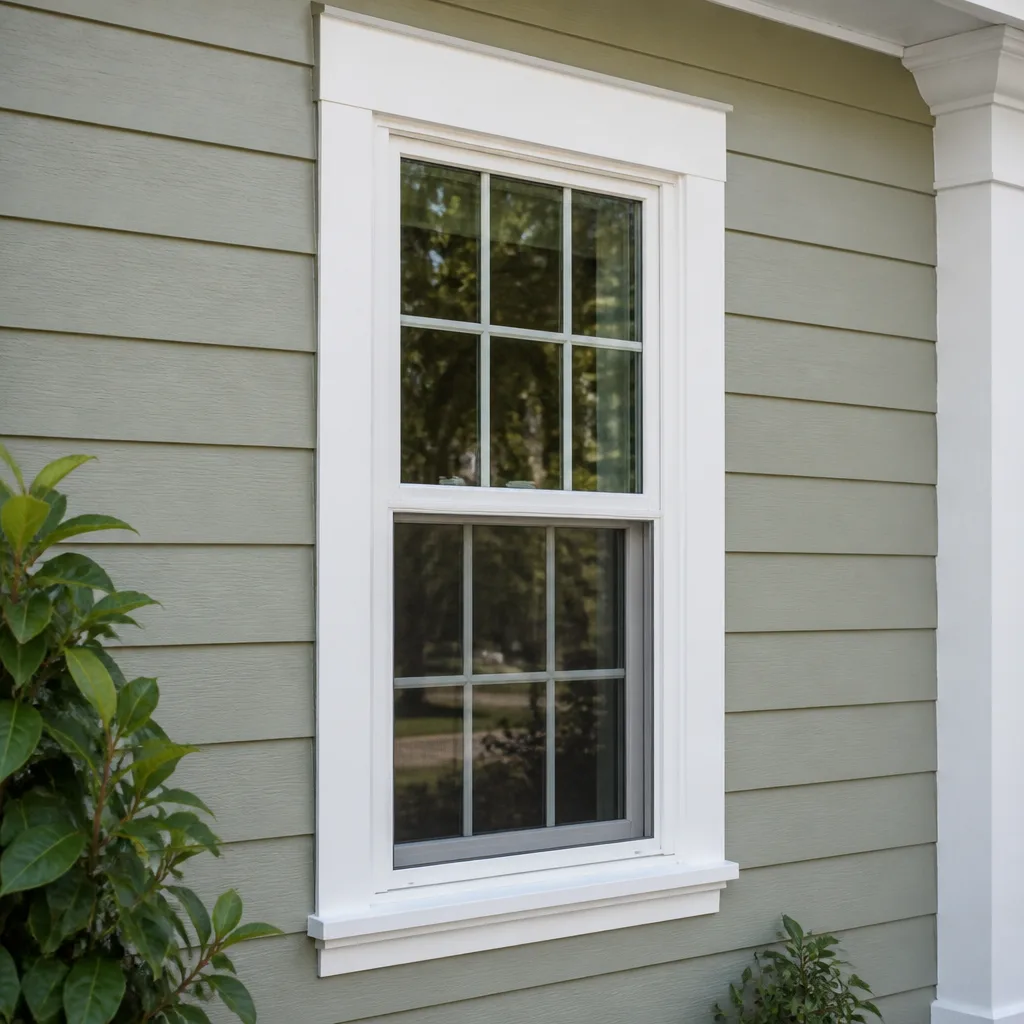
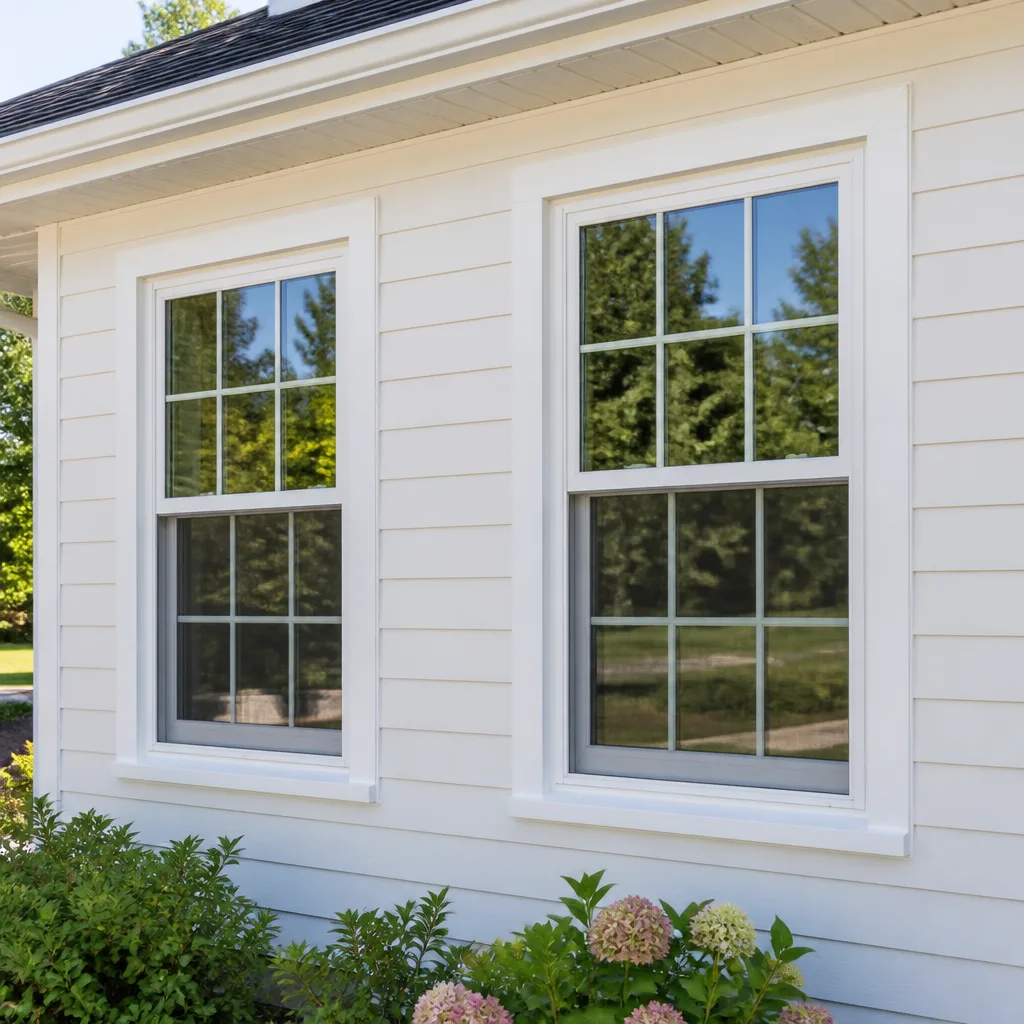
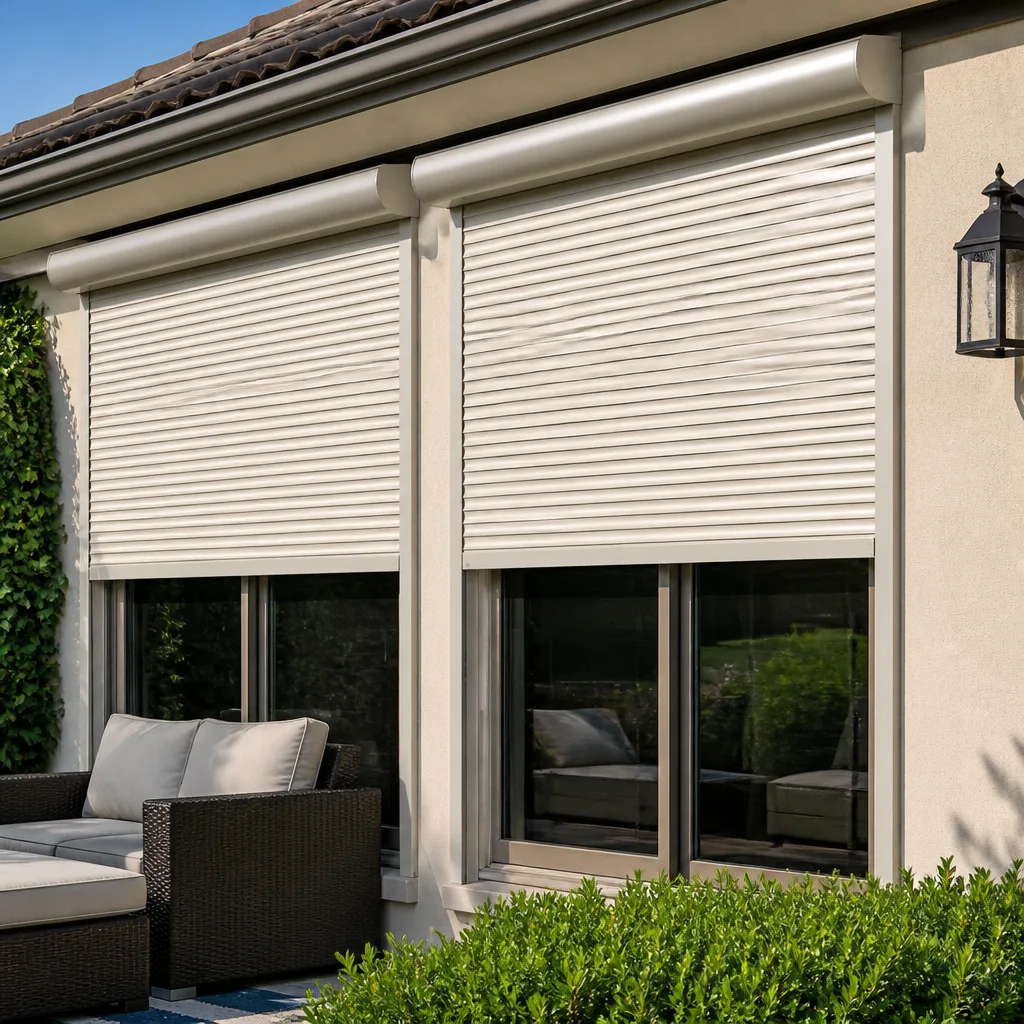
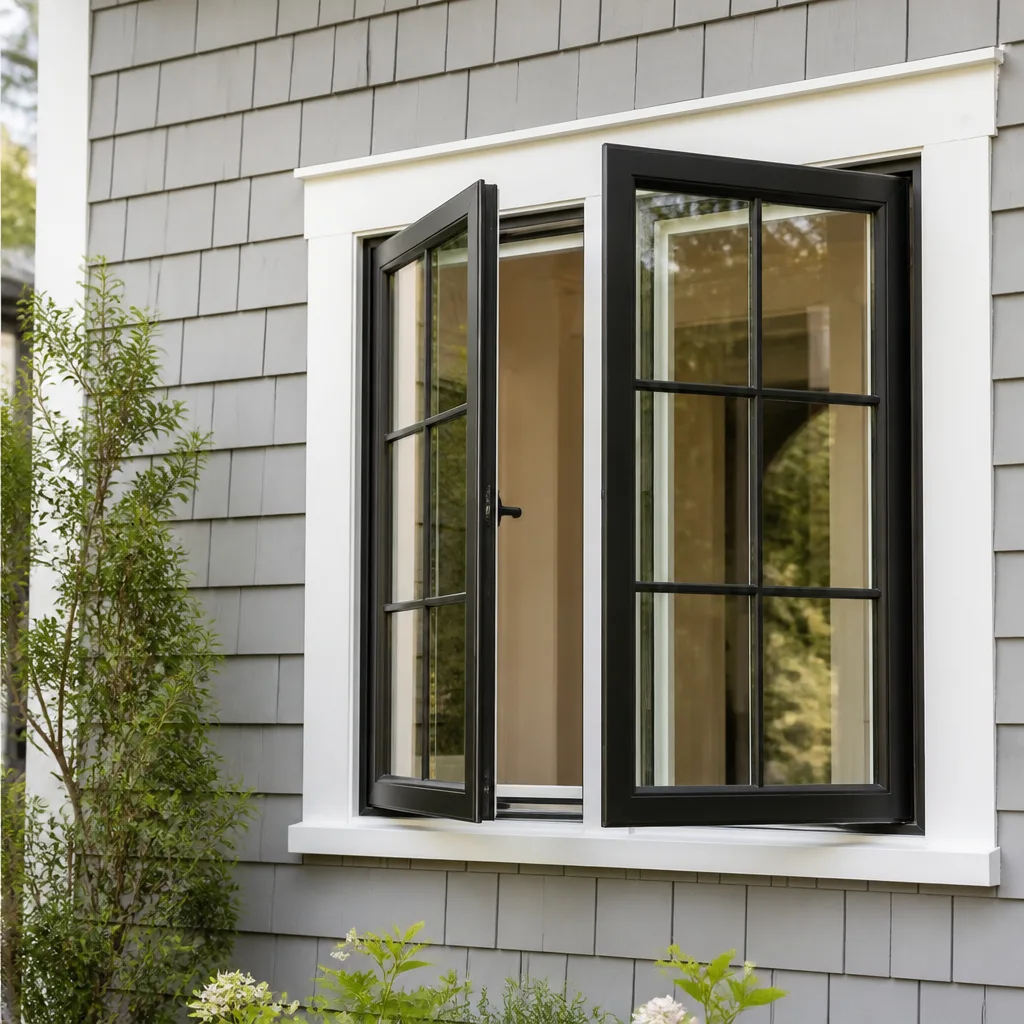
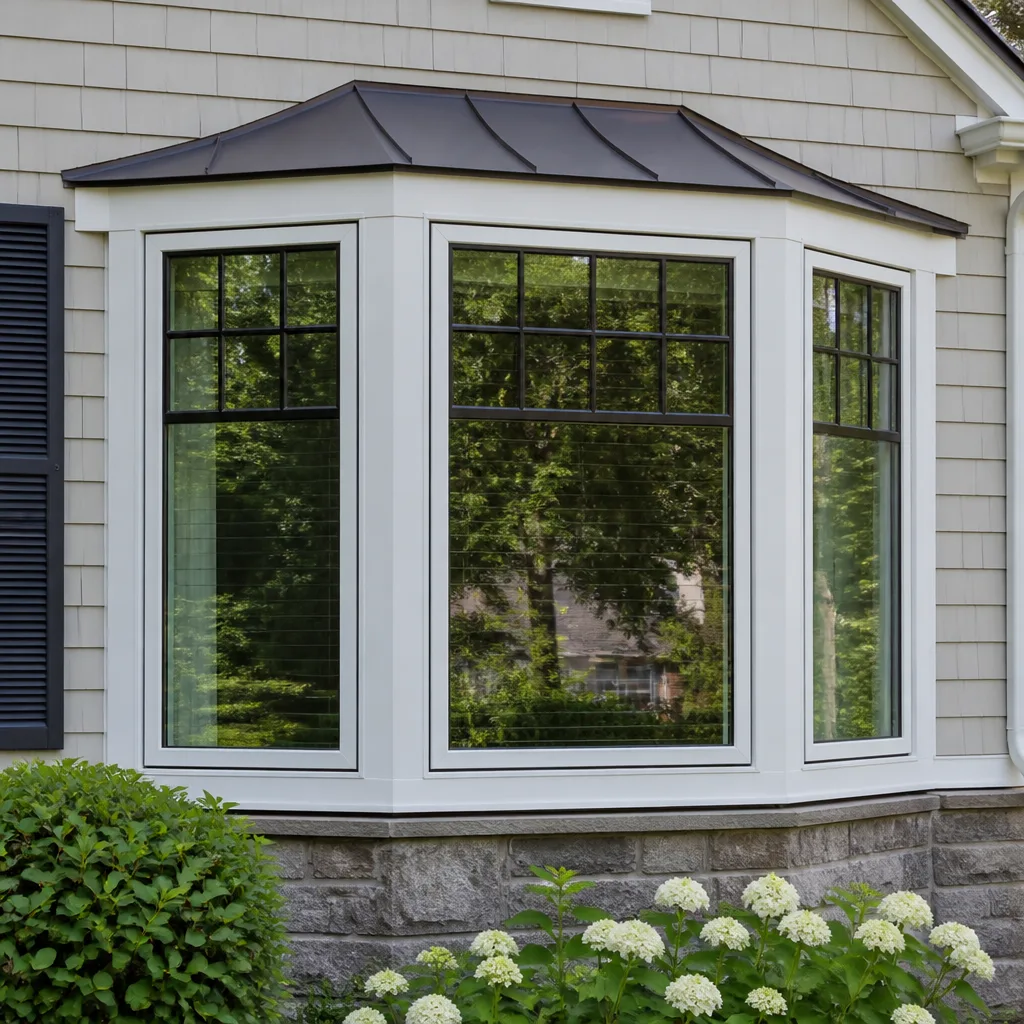
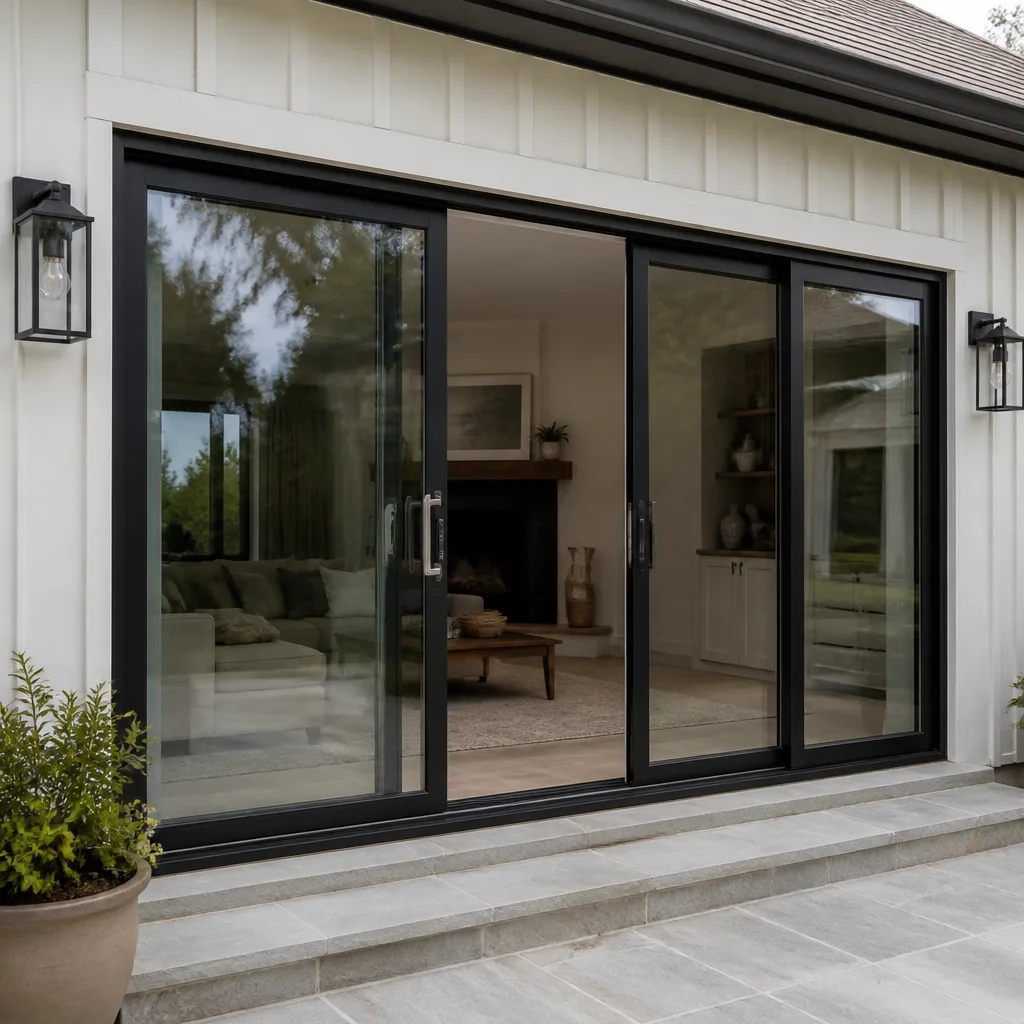
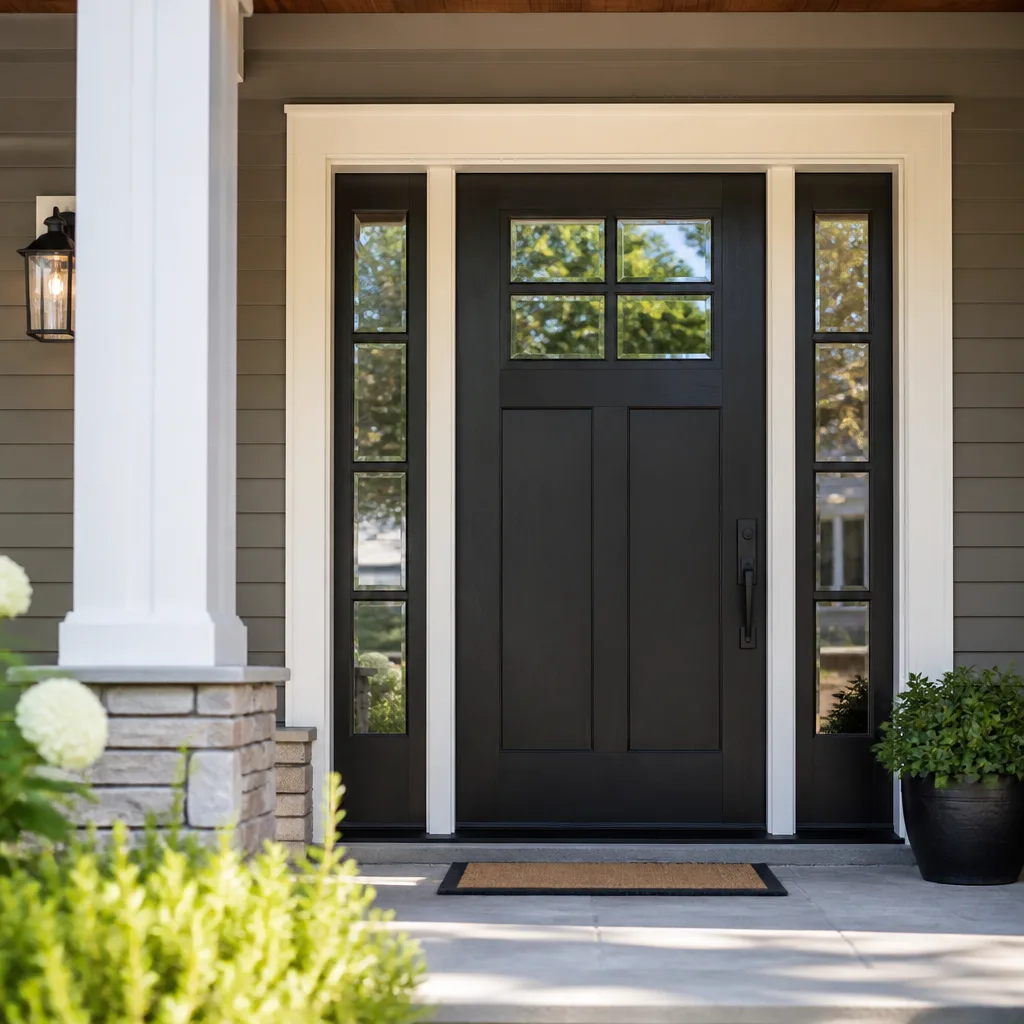
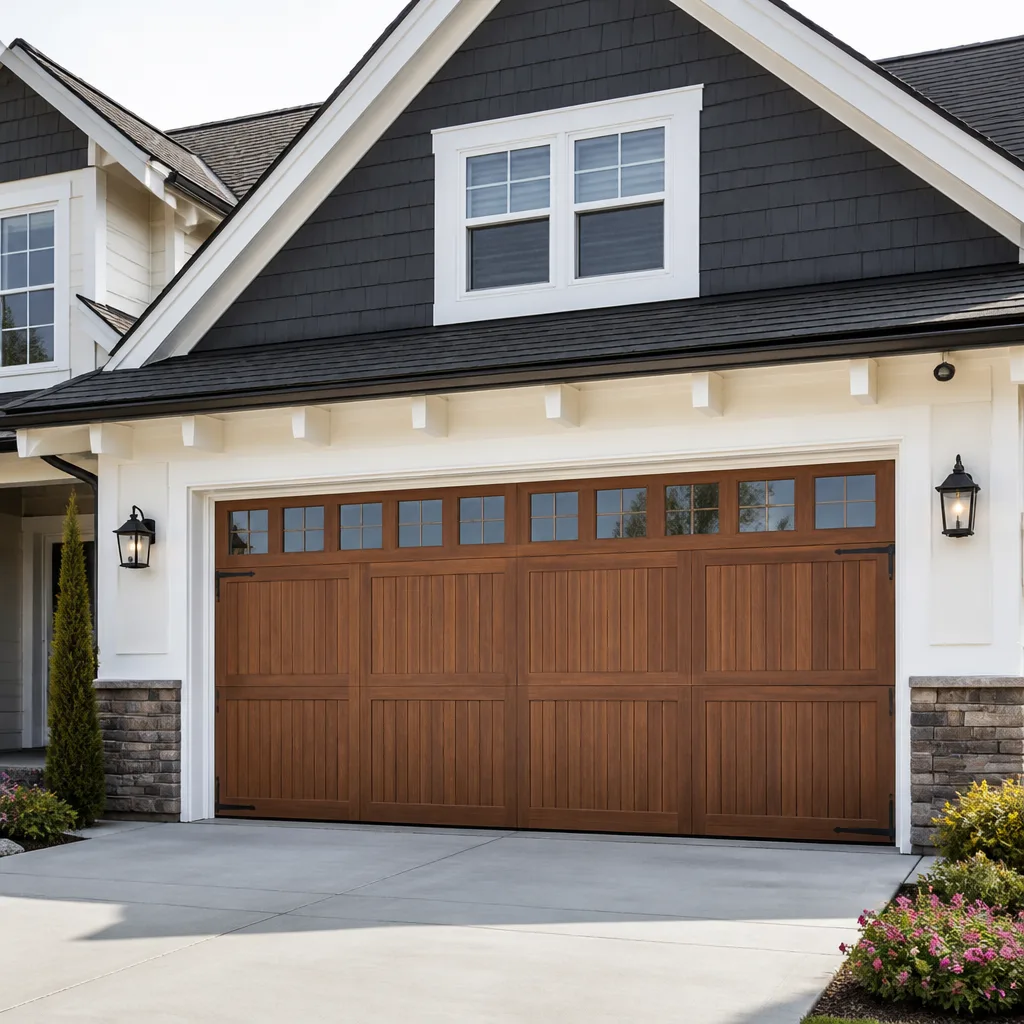
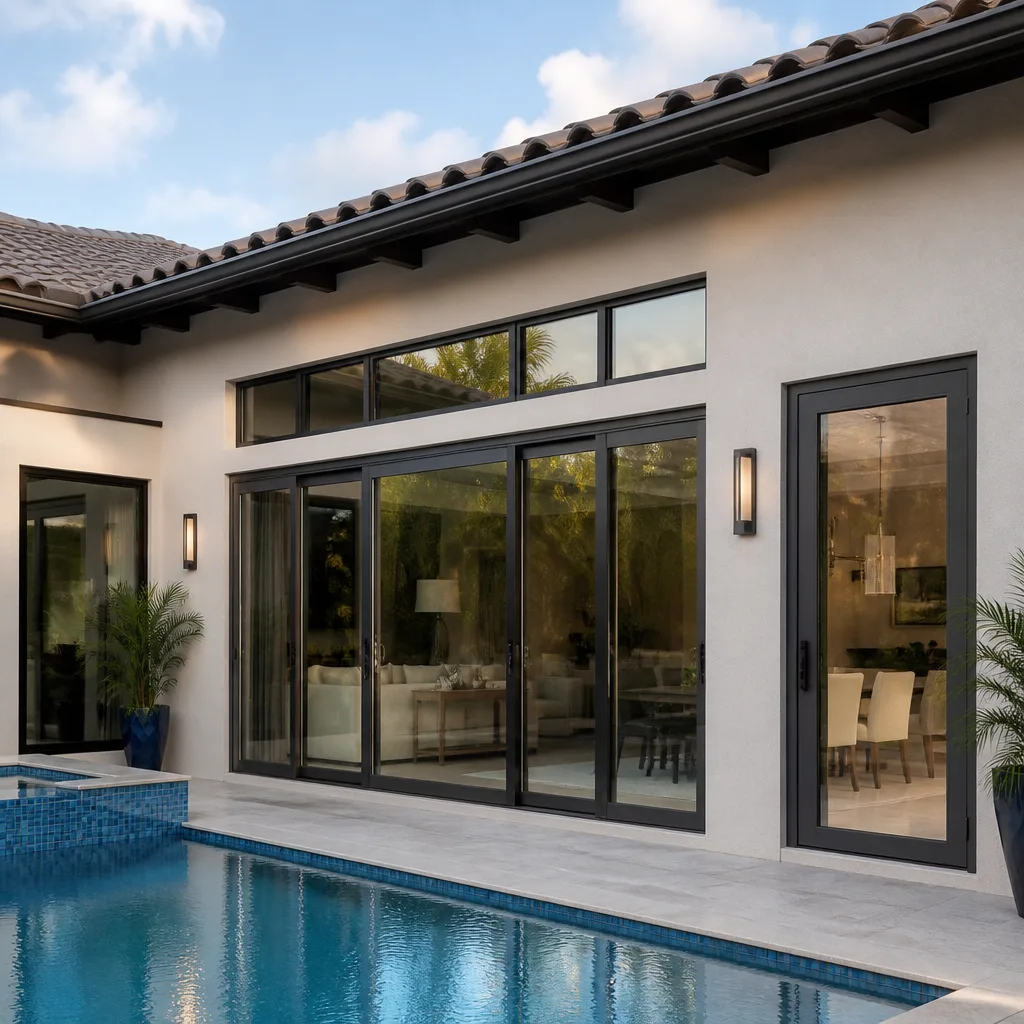
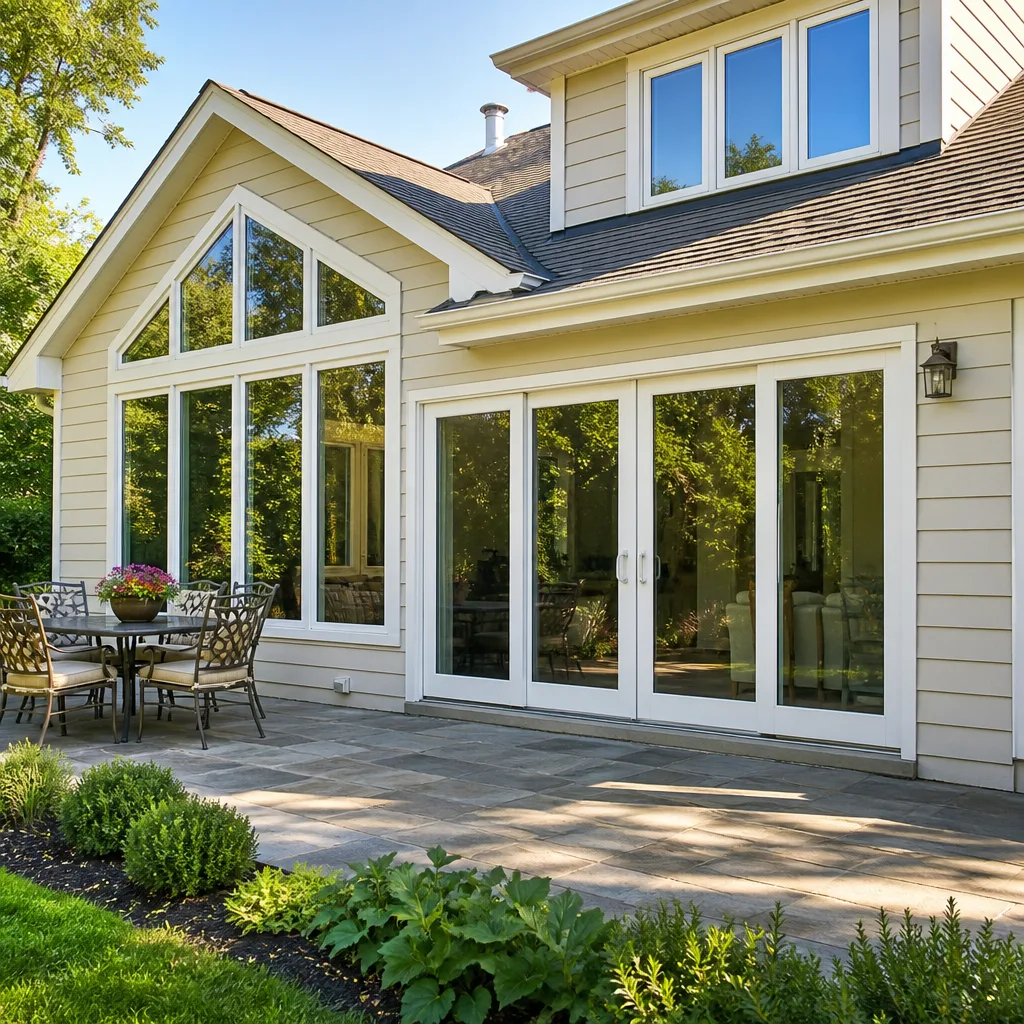
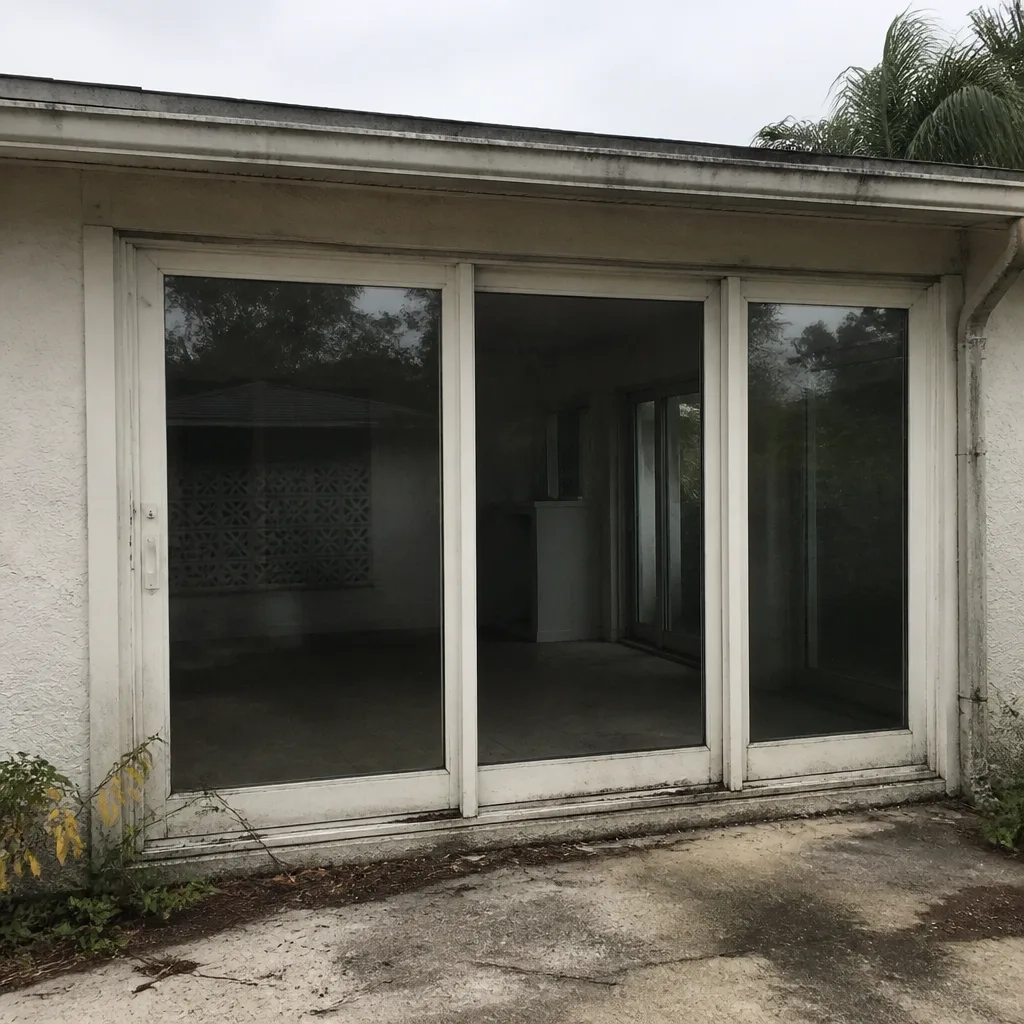 Before
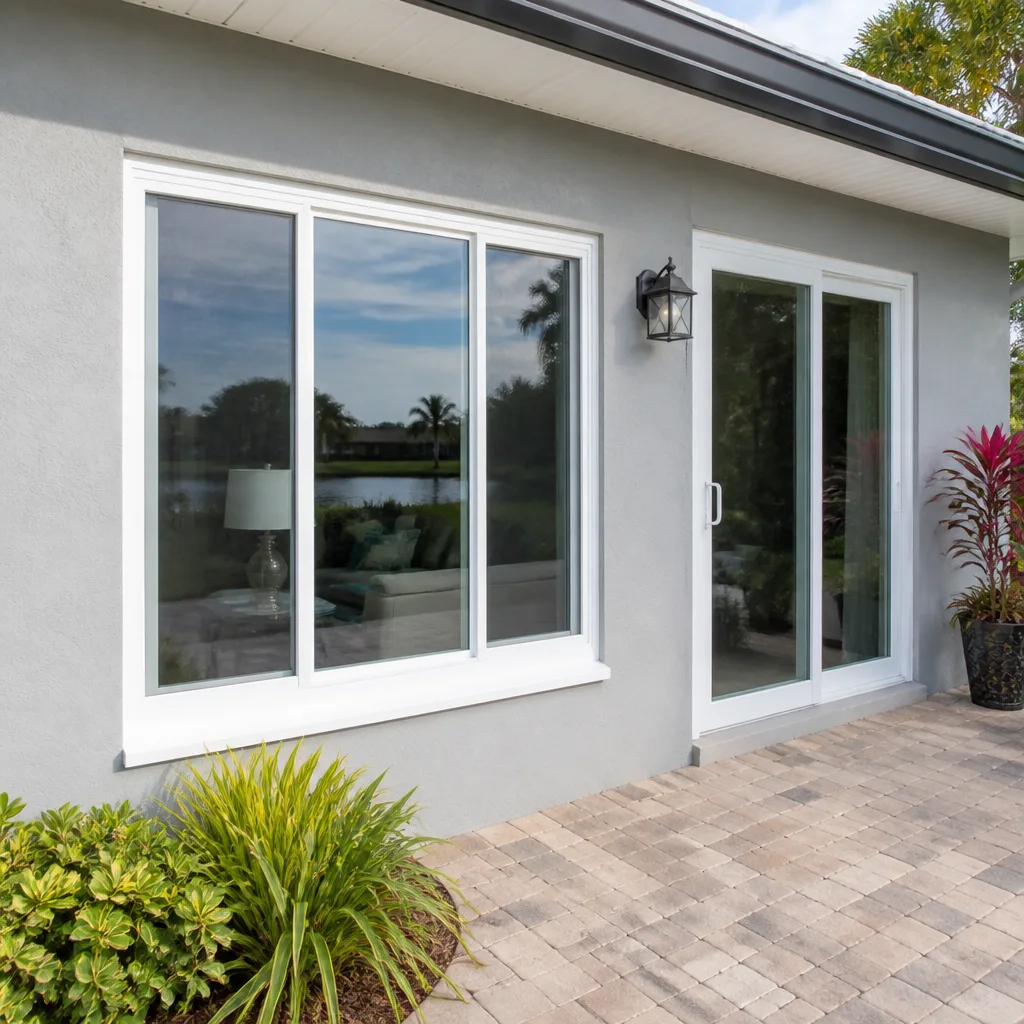 After
After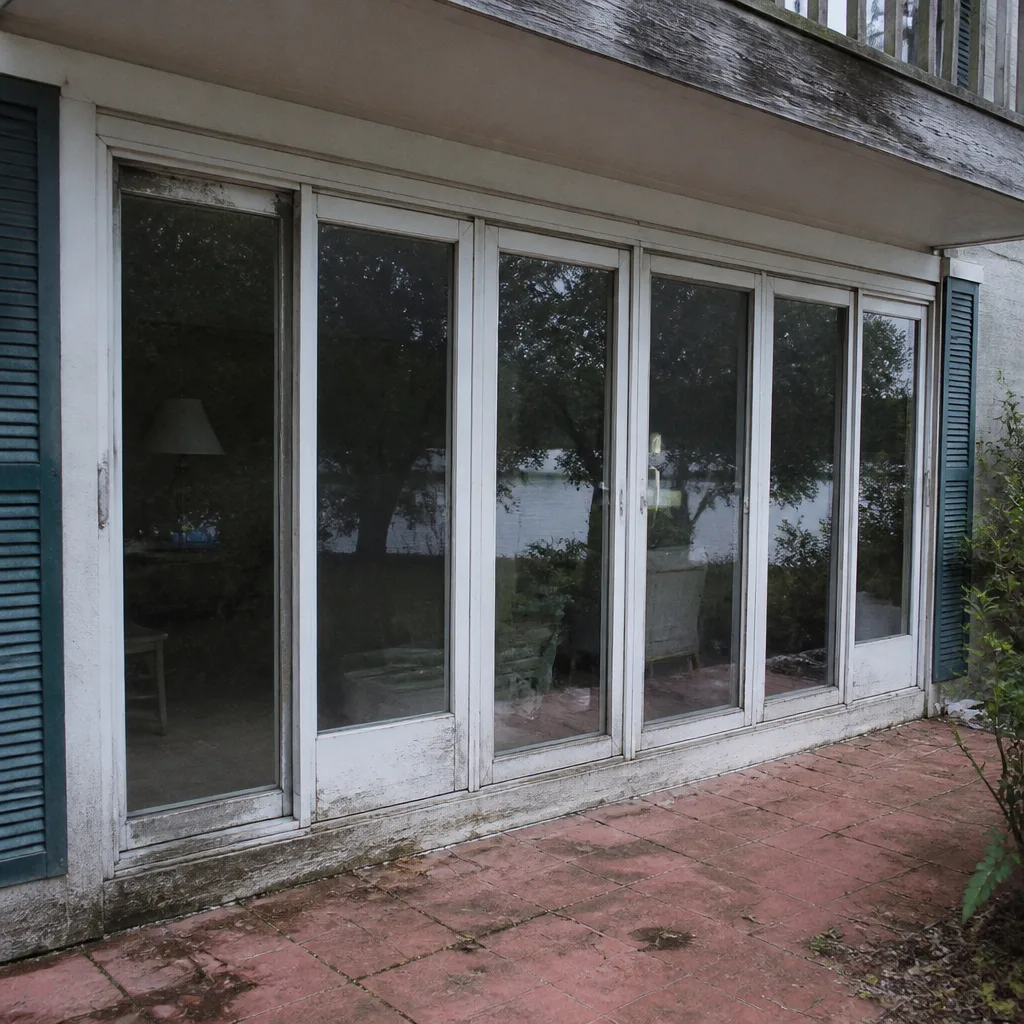 Before
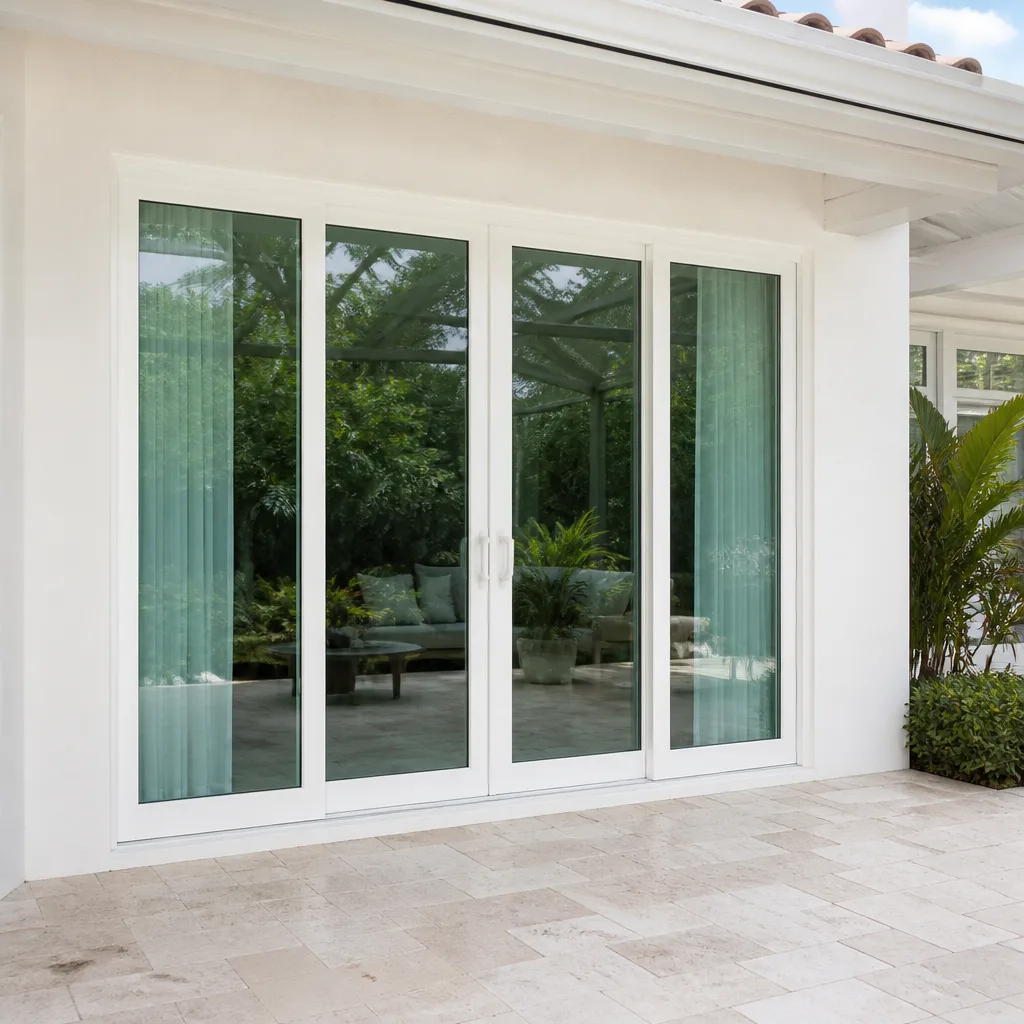 After
After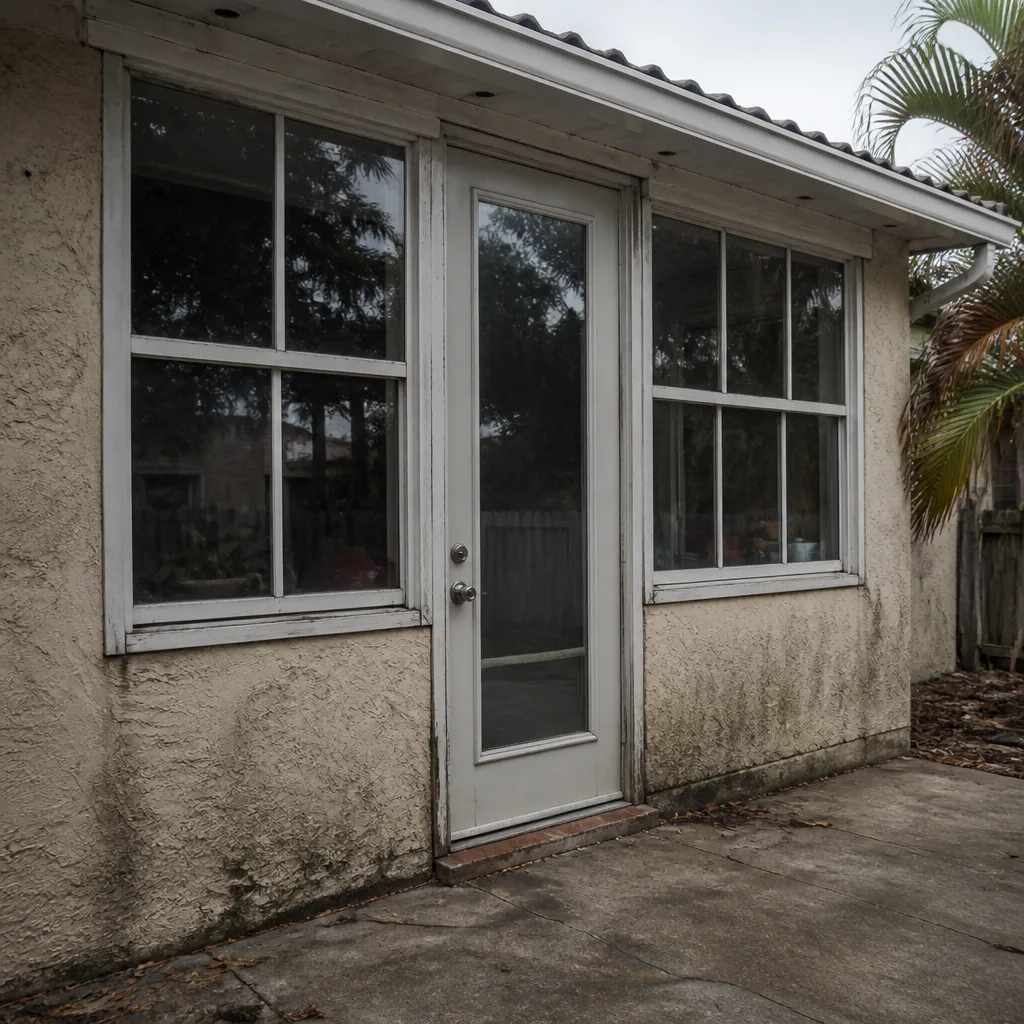 Before
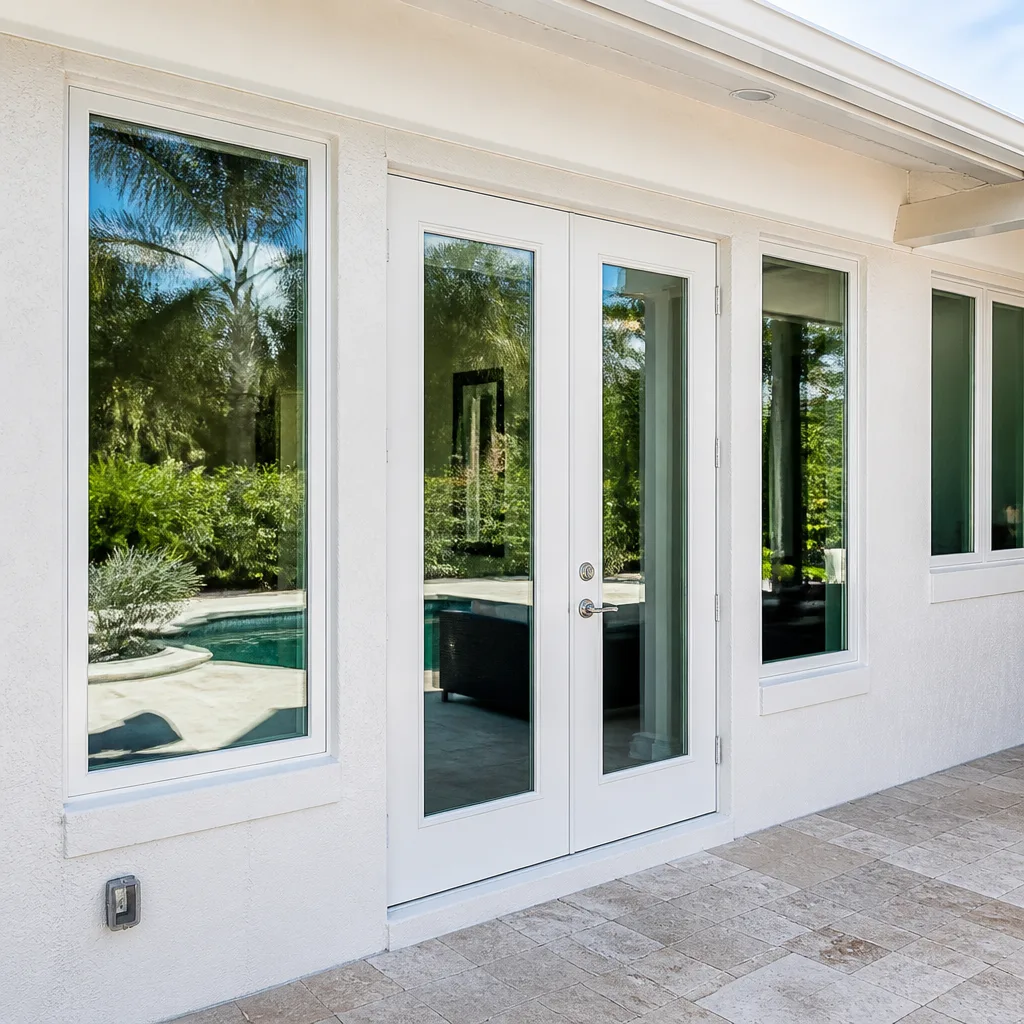 After
AfterThe Complete Guide to Windows & Doors in Sarasota
Sarasota sits in one of the most wind-exposed coastal corridors in the continental U.S., yet most local window replacements are still done piecemeal - a bedroom here, a sliding door there - leaving mismatched protection levels that can quietly void an insurance discount on the very day you need it most. This guide maps the full decision journey through a single, coordinated lens: how windows and doors work together as one exterior envelope, what Sarasota’s codes actually require, which brands earn their price tags, and how to verify claims before you sign anything. You’ll finish with a clear-eyed understanding of what a whole-home approach looks like, what it costs, and why coordinating both trades beats hiring two separate crews every time.
Quick Answer
Choosing windows and doors in Sarasota means selecting impact-rated or wind-load-compliant products that meet Florida Product Approval standards, coordinating both openings as one envelope, and working with a licensed installer who understands Sarasota County’s wind zone requirements and insurance-rating rules. Expect to pay between $800 and $2,800 per window installed and $1,500 to $6,000 per exterior door, depending on product tier, size, and whether you’re in an HVHZ-adjacent zone requiring missile-impact certification. The single most important verification step is checking every product’s Florida Product Approval number before installation day. For help finding the right professional, read our How to Hire a Windows & Doors Contractor in Sarasota: A Step-by-Step Guide.
Table of Contents
- Understanding Sarasota’s Wind Reality: HVHZ and What It Means for Your Openings
- One Envelope, Not Two Trades: Why Windows and Doors Belong in the Same Project
- Brand Tiers Explained: PGT, CGI, Therma-Tru, and the Big-Box Alternatives
- The Florida Product Approval Number: The One Verification Step Most Homeowners Skip
- The Insurance-Rating Connection: How Complete Opening Protection Affects Your Premium
- Energy Efficiency in Sarasota’s Climate: What the Numbers Actually Mean
- Installation Is the Product: Why the Best Window Fails in the Wrong Hands
- What Sarasota Homeowners Are Paying in 2026: Real Cost Ranges
- Common Mistakes to Avoid
- When to Call a Professional
- Frequently Asked Questions
- The Bottom Line
Understanding Sarasota’s Wind Reality: HVHZ and What It Means for Your Openings
Florida’s building code divides the state into wind zones, and the High-Velocity Hurricane Zone (HVHZ) designation - applied to Miami-Dade and Broward counties - sets the strictest product testing standards in the country. Sarasota County is not technically inside the HVHZ, but the distinction matters less than most homeowners assume. The county still carries wind-load requirements that demand products engineered for sustained hurricane-force gusts, and much of coastal Sarasota, including Siesta Key and Longboat Key, sits close enough to the water that impact-rated openings are the practical standard for both safety and insurance eligibility.
Here’s what that means for your purchase: a window or door sold as “hurricane-rated” in a big-box store may not carry the Florida Product Approval documentation your local building department requires. The sticker on the glass is not the approval. The approval is a specific number, issued by the Florida Department of Business and Professional Regulation, that certifies the product passed wind-load and missile-impact testing at a Florida-recognized laboratory. Without that number, you may fail inspection, lose insurance credits, or both.
What to Verify Before You Buy
- Confirm the Florida Product Approval number. Ask for the FL number for every window and door line item. This is non-negotiable in Sarasota County.
- Check the design pressure (DP) rating. Sarasota’s inland zones generally require DP 50 or higher; coastal zones push DP 60 to DP 70. Your installer should calculate this per opening, not per house.
- Determine if the product is impact-rated or wind-load-rated only. Impact-rated means the glass is laminated and tested to withstand flying debris. Wind-load-rated means the frame and glass meet pressure standards but may not survive a direct hit from roof tiles or branches.
- Require a copy of the approval drawing. This document shows exactly how the product must be installed - fastener spacing, anchoring method, and substrate requirements. If your installer deviates from the drawing, the approval is void.
In our experience serving Sarasota homeowners since 2011, the most common failure point is not the product itself but the documentation trail. A homeowner buys a “hurricane window” from a discount supplier, the installer does a clean job, and then the permit review stalls because nobody can produce the FL approval number. By then the old windows are in a landfill and the homeowner is stuck. Impact windows in Sarasota are only as good as the paper trail behind them.
One Envelope, Not Two Trades: Why Windows and Doors Belong in the Same Project
The most expensive mistake in Sarasota exterior remodeling is treating windows and doors as separate purchases handled by separate contractors. When a window crew replaces all the windows and a door crew comes in six months later for the patio sliders, the transition points between the two products - the areas around door frames, the flashing connections at the threshold, the alignment between a new door and an old window mullion - become air-infiltration gaps that neither trade takes responsibility for. These gaps are not theoretical. We regularly see homes in Palmer Ranch and Lakewood Ranch where a beautiful new set of windows loses measurable cooling efficiency because the old sliding door frame next to it was never re-anchored or re-flashed.
Whole-home coordination matters because the exterior envelope works as a system. Air enters where pressure differences allow it, and every seam between materials is a potential entry point. When one installer handles both openings, they can:
- Match design pressure ratings across adjacent openings. A window and a door eight feet apart should carry consistent DP ratings so the envelope responds uniformly to wind pressure.
- Coordinate flashing and water management. The juncture where a window’s sill flashing meets a door’s threshold pan is a classic leak point. One crew extends the flashing continuously.
- Align sight lines and frame depths. A window with a 4-inch frame and a door with a 6-inch frame create an awkward interior reveal and a difficult drywall return.
- Sequence the tear-out correctly. Removing a load-bearing wall section or a wide slider header affects adjacent window openings. Coordinated crews plan the order of operations to avoid structural surprises.
We’ve also seen the insurance consequence firsthand. An insurer issues a “complete opening protection” discount only when all openings - windows, doors, and garage door - meet the same protection standard. Replace a few windows and leave an old French door in place, and the discount never materializes. The whole is genuinely greater than the sum of its parts here.
Brand Tiers Explained: PGT, CGI, Therma-Tru, and the Big-Box Alternatives
Sarasota homeowners face a confusing brand landscape: big-box store brands at entry-level prices, mid-tier regional manufacturers, and premium Florida-specific brands engineered to exceed code rather than meet it. Understanding where each tier sits matters because window and door failures in this climate are expensive, and the price delta buys you something real: longevity, water management, and tested performance under actual hurricane conditions.
Entry Tier: Big-Box Store Brands
These products meet minimum code requirements when properly documented, but they are built for price. Vinyl frames are thinner, glazing beads are simpler, and the thermal performance drops off within a decade under Sarasota’s UV exposure and salt air. If you’re flipping a house or replacing windows in a rental unit, these are adequate. If you’re in a home you plan to keep for 20 years, they’re a false economy. The typical savings over a mid-tier product is 25-35% - and it costs you in energy efficiency, frame warping, and a shorter service life.
Mid Tier: PGT WinGuard and Similar
PGT is the dominant Florida manufacturer and supplies a significant share of Sarasota’s impact-rated window market. Their WinGuard line carries full Florida Product Approval, offers laminate glass in multiple configurations, and is available in both vinyl and aluminum frames. PGT’s aluminum products are particularly well-suited to coastal Sarasota because aluminum holds up better than vinyl under direct salt spray. Expect to pay $900 to $1,800 per window installed for PGT’s mid-tier lines.
Premium Tier: CGI, CWS, and ES Windows
CGI and CWS (both part of PGT’s portfolio) manufacture heavier-gauge aluminum products aimed at high-wind coastal zones and luxury residential projects. ES Windows produces architectural aluminum lines often specified for modern homes on Longboat Key and Bird Key, where narrow sightlines and large spans demand engineered aluminum frames. The price delta here is 40-60% over entry-tier vinyl, and what you’re buying is frame rigidity, longer-lasting finishes, and larger achievable sizes. A 12-foot slider in an entry-tier vinyl product is an engineering compromise; the same opening in a CGI or ES Windows frame is a designed application.
Door Tier: Therma-Tru and ECO Window Systems
Therma-Tru dominates the fiberglass entry door category for a reason: fiberglass outlasts wood in humid, salt-heavy environments without sacrificing the look of painted or stained wood. Their entry door systems carry Florida Product Approval numbers in multiple configurations and can be fitted with impact-rated glass. For sliding glass doors and contemporary patio openings, ECO Window Systems offers large-format aluminum sliders and multi-panel systems that handle Sarasota’s indoor-outdoor lifestyle while keeping the envelope protected.
As an authorized installer for CGI, CWS, ES Windows, and ECO Window Systems, we’ve installed every tier over the years. Our honest read: if you’re staying in the home more than ten years, the mid-to-premium tier is where the value sits. If you’re selling soon, document everything and choose the tier that clears the insurance bar. Window replacement in Sarasota is a long-term decision, and the product choice should reflect how long you plan to live with it.
The Florida Product Approval Number: The One Verification Step Most Homeowners Skip
Before you sign any contract for windows or doors in Sarasota County, there is one step that takes five minutes and protects you from the single most common failure in Florida exterior remodeling: verify the Florida Product Approval number for every product on the quote. Here’s how it works and why it matters.
Every window, door, and garage door product legally sold for installation in a Florida wind zone must carry a Florida Product Approval number, issued by the Florida DBPR. The number is formatted like “FL12345” and corresponds to a specific product from a specific manufacturer, tested at a specific lab. The approval certifies that the product passed structural wind-load testing and, for impact-rated products, missile-impact testing using a 9-pound 2×4 launched at 50 feet per second, followed by cyclic pressure testing.
How to Verify in 3 Steps
- Ask for the FL number on every line item. If your contractor can’t produce it, walk away. That’s the risk signal.
- Search the Florida DBPR product approval database. The database is public and searchable by FL number, manufacturer name, or product series. Confirm the approval is active and matches the product being quoted.
- Match the approval drawing to your installation conditions. The approval includes an installation drawing that specifies fastener type, spacing, and substrate requirements. If your install won’t match those conditions - say, an older home with a different wall construction - the approval may not apply.
This step takes five minutes and prevents a scenario we see too often in older Sarasota neighborhoods like Arlington Park and Gulf Gate: a homeowner installs a product that looked impact-rated on the showroom floor, fails the permit inspection, and is told to re-order. By then the old windows are gone and the house sits unprotected. A Florida Product Approval number is not a formality; it is the legal standing of your window or door to protect your home.
The Insurance-Rating Connection: How Complete Opening Protection Affects Your Premium
Sarasota County homeowners insured through Citizens Property Insurance or a private-market carrier are eligible for wind mitigation discounts when their home’s openings meet specific protection standards. The discount is calculated using the Uniform Mitigation Verification Inspection Form (OIR-B1-1802), which an inspector completes based on the protection level of every opening: windows, exterior doors, garage door, and skylights or roof openings.
The key term is “complete opening protection.” To receive the maximum credit, every opening on the home must be protected by either impact-rated products, hurricane shutters, or a combination. A home with impact windows throughout but a non-rated garage door receives a reduced credit - sometimes zero. This is why treating windows and doors as one coordinated investment matters not just for envelope performance but for insurance math.
What the Inspector Looks For
- Impact-rated windows: Checked for the presence of laminate glass and an identifiable Florida Product Approval number etched on the glass or frame.
- Impact-rated doors: Same verification, plus checking that the door is installed per the approval drawing - correct anchors, correct frame attachment.
- Garage door: Must be wind-load-rated or impact-rated per code, not a standard residential door. This is the most commonly missed opening in Sarasota homes.
- Skylights and roof openings: Must be glazed with impact-rated units or covered by code-compliant shutters.
The premium savings vary by carrier and policy, but a fully protected home in Sarasota County commonly sees a 20-40% reduction on the wind portion of the premium. More importantly for some homeowners, a complete opening protection certification makes the home eligible for carriers that will not write policies on unprotected coastal properties at all. In the private insurance market, complete opening protection can be the difference between insurability and a forced Citizens policy.
Energy Efficiency in Sarasota’s Climate: What the Numbers Actually Mean
Sarasota’s climate punishes inefficient windows and doors in ways colder climates do not. The heat and humidity load on an average home means the cooling system runs 250-plus days per year, and every square foot of glass that fails to reject solar heat becomes a constant drain on your electric bill. Understanding the three metrics that matter - U-factor, Solar Heat Gain Coefficient (SHGC), and air leakage - helps you choose the right product for your orientation and your home’s materials.
- U-factor: Measures heat transfer through the entire window assembly. Lower is better. In Florida’s climate, look for 0.30 or lower on impact-rated products. Many premium Sarasota installations now specify 0.25 or better.
- SHGC: Measures how much solar heat the glass transmits. In Sarasota, a low SHGC (0.25 or below) is desirable for east- and west-facing glass, where afternoon sun drives cooling load. North-facing glass can tolerate a slightly higher SHGC to gain beneficial winter warmth - less of a concern here than up north.
- Air leakage: Measured in cubic feet per minute per square foot of window area. Look for 0.3 or lower. Higher leakage means conditioned air escapes and humid outdoor air infiltrates, forcing your AC to work harder and your dehumidifier to run longer.
Impact-rated laminate glass inherently improves energy performance because the laminate layer adds thermal mass and the glazing packages are designed for Florida’s south-facing sun. But not all impact glass is equal: the difference between a basic impact-rated double-pane unit and a low-E, argon-filled, spectrally-selective unit can be 2-4 degrees in room temperature at the glass surface and a noticeable reduction in cooling cost. When you’re replacing windows in a Sarasota home with large western exposure - common in newer construction along University Parkway and Lorraine Road - the glass package matters as much as the frame material.
Installation Is the Product: Why the Best Window Fails in the Wrong Hands
In Sarasota’s humid, wind-driven climate, the quality of the installation matters more than the quality of the product. A perfectly engineered impact window installed with the wrong fasteners, the wrong flashing sequence, or without proper attention to the weather-resistant barrier will leak, fail inspection, and eventually rot the wall assembly around it. We’ve repaired installations by other contractors where the window itself was fine - the problem was entirely in the anchoring and flashing.
The Five Installation Steps That Determine Everything
- Opening preparation: The rough opening must be clean, square, and free of rot or insect damage. In older Sarasota homes, especially in neighborhoods like South Gate and Cherokee Park, we regularly find deteriorated wood framing that requires repair before any new window is set.
- Flashing sequence: The sill flashing, jamb flashing, and head flashing must be applied in the correct sequence, each layer lapping the previous one so water drains outward, never inward. This is the most commonly botched step in Florida window installations.
- Anchor placement: Fasteners must match the spacing and type shown in the Florida Product Approval drawing. An installer who anchors a window with fewer fasteners than the approval requires has voided the product’s code standing.
- Interior seal: The gap between the window frame and the rough opening must be sealed with a low-expansion foam or backer rod and sealant, not expanding foam that can bow the frame.
- Exterior sealant: The perimeter sealant must be compatible with the frame material and the wall cladding, and it must be applied after the flashing so it protects but never traps water.
If the contractor cannot show you the approval drawing and explain how they’re anchoring your windows, that’s the red flag. At Winslow Windows & Doors, Ed Winslow’s name is on the door - and on every job we do. Every window and door installation in Sarasota is performed by background-checked, uniformed technicians who follow the approval drawing to the letter because skipping a fastener is not a shortcut; it’s a liability.
What Sarasota Homeowners Are Paying in 2026: Real Cost Ranges
Pricing for windows and doors in Sarasota varies by product tier, size, installation complexity, and whether the home is in a coastal zone requiring higher design pressure ratings. The ranges below reflect what we’re seeing across Sarasota County in 2026 for full-service installation including permitting, old unit removal, disposal, and finished trim work on the interior.
| Product | Entry Tier | Mid Tier | Premium Tier |
|---|---|---|---|
| Standard double-hung window (36″ x 60″) | $800 – $1,200 | $1,200 – $1,800 | $1,800 – $2,800 |
| Large fixed picture window (60″ x 60″) | $1,200 – $1,800 | $1,800 – $2,600 | $2,600 – $4,000 |
| Sliding glass door (72″ x 80″) | $1,500 – $2,200 | $2,200 – $3,600 | $3,600 – $6,000 |
| French door (60″ x 80″) | $1,800 – $2,800 | $2,800 – $4,200 | $4,200 – $7,000 |
| Entry door (36″ x 80″) | $1,200 – $1,900 | $1,900 – $3,000 | $3,000 – $5,500 |
| Impact garage door (single car) | $2,400 – $3,400 | $3,400 – $5,000 | $5,000 – $7,500 |
These prices include the product, installation labor, standard interior trim finishes, and basic exterior sealant work. They do not include structural repairs discovered after tear-out - rotted framing, failed headers, or masonry repairs - which are quoted separately, in writing, before they are authorized. No surprises on the invoice.
The price delta between tiers is real, but so is the performance difference. A $900 impact window in a west-facing exposure will do the job on paper; a $1,700 spectrally-selective unit with a lower SHGC will noticeably reduce the afternoon heat gain in that room. The right product for your budget is a conversation about what you’re optimizing: initial cost, long-term energy savings, or maximum protection. Window installation in Sarasota should always start with a written line-item quote, so you can compare tiers side by side.
Common Mistakes to Avoid
- Buying products without Florida Product Approval numbers. A “hurricane-rated” sticker means nothing in Sarasota County without the FL number to verify it, and a failed inspection can leave your home unprotected for weeks while replacements are ordered.
- Replacing windows and doors in separate projects with separate crews. The transition points between the two products become infiltration gaps that neither contractor takes ownership of, and you lose the insurance credit for incomplete opening protection.
- Choosing the lowest-bid installer without verifying anchor specifications. The Florida Product Approval drawing dictates exact fastener types and spacing; an installer who skips anchors to save 30 minutes has voided their product’s code compliance and your insurance standing.
- Ignoring the garage door in a whole-home protection plan. The garage door is the most commonly missed opening in Sarasota wind mitigation inspections, and leaving it unprotected can reduce your insurance discount to zero.
- Prioritizing looks over glass package in high-sun exposures. A west-facing wall of glass with a high SHGC will drive cooling costs every afternoon for years; the glass coating matters as much as the frame profile.
- Signing a contract without a written line-item cost breakdown. A single lump-sum number gives you no basis to compare products or hold the installer accountable; every item should be priced so you know exactly what you’re paying for.
- Skipping the permit. Unpermitted window and door replacements in Sarasota County create problems at resale, complicate insurance claims, and signal that the installer is not following approval drawings. Permits are pulled and inspections passed; that’s the bare minimum, not an option.
When to Call a Professional
If the gaps around your windows and doors show daylight, if you can hear the outside clearly with everything closed, or if your insurance provider has informed you that your wind mitigation discount is expiring because openings are unprotected, it’s time to call a professional. The same goes for windows that sweat between the panes, doors that stick or fail to latch properly, and any crack in the laminated glass of an impact-rated unit - once the lamination is compromised, the product’s protective rating is gone. High-tension door springs on impact garage doors are under dangerous load and should never be adjusted by a homeowner; that’s a trained technician’s job, full stop. Winslow Windows & Doors offers free estimates in Sarasota - call (941) 267-0779 to schedule yours. Calls are answered by a live person, 24 hours a day, 7 days a week.
Frequently Asked Questions
For a typical 1,800 to 2,400 square-foot Sarasota home, a complete window and door replacement project using mid-tier impact-rated products typically runs between $35,000 and $65,000 installed, depending on the number of openings, product tier, and whether the garage door is included. This includes permitting, tear-out, disposal, and interior trim. For an exact quote on your home, call (941) 267-0779 - estimates are free, and we provide written line-item pricing.
Yes, likely - while inland Sarasota zones carry slightly lower design pressure requirements than coastal zones, the Florida Building Code still requires products with a Florida Product Approval number and minimum DP ratings for most openings, and your insurance carrier will apply its own wind mitigation discount rules regardless of your exact address. The cost difference between wind-load-rated and impact-rated products in inland Sarasota is often smaller than the insurance premium savings for rated glass.
You can phase a project over time, but the recommendation from most Sarasota contractors is to complete the envelope in one coordinated effort if your budget allows. A phased approach requires careful sequencing so that adjacent openings are matched for design pressure ratings, flashing continuity, and frame alignment. Winslow Windows & Doors will provide a written, phased plan if you prefer to spread the work over multiple budget years. Call (941) 267-0779 to discuss it.
For many Sarasota County homeowners, yes - a wind mitigation inspection confirming complete opening protection (windows, doors, and garage door) commonly unlocks a 20-40% reduction on the wind portion of the premium, and it can make your home eligible for private-market carriers that decline unprotected coastal properties. Your specific savings depend on the carrier and the inspection report, but the credit is real and verifiable.
A complete window and door replacement on a typical Sarasota home takes two to five days on site, depending on the number of openings and whether structural repairs are needed. The permitting process runs parallel or ahead of the installation date, and inspection typically follows within a week of completion. We provide a written schedule before work begins so you know exactly when each trade is on site.
Replace the door now, but choose a product whose design pressure rating and frame profile align with your existing windows and future plans. A mismatched door with a lower DP rating weakens the envelope, and if you later replace the windows, you may find that the door you installed three years ago does not coordinate with the new product line. A quick conversation with a Sarasota window and door contractor can save you from compounding mismatches later. Call (941) 267-0779 for guidance - it costs nothing to ask.
The Bottom Line
Windows and doors in Sarasota are not two separate decisions; they are one exterior envelope, and the performance of that envelope determines your insurance standing, your energy costs, and how your home withstands the next named storm. Verify every Florida Product Approval number before you sign. Choose products whose tiers match your long-term plans, not just your short-term budget. Demand installation that matches the approval drawing exactly. And work with a contractor who is accountable by name, not by ticket number. Ed’s name is on the door - and on every job we do. The one down the road.
Written by Ed Winslow, Owner at Winslow Windows & Doors, serving Sarasota since 2011.
Six Reasons Homeowners Choose Winslow Windows & Doors
Impact systems engineered to design pressures up to +/-100, matched to your wind zone - your openings hold when the storm arrives.
Low-E insulated impact glass from our manufacturer lines commonly cuts monthly cooling bills 20-30%.
Laminated impact glass shuts out up to 40% of outside noise - traffic, neighbors, weather.
Monitoring services run $30-90 a month. Laminated impact glass resists forced entry around the clock, with no subscription.
Florida homeowners average around 25% savings on the windstorm portion of their policy after protecting every opening - some homes qualify for more.
A full impact package upgrades curb appeal, buyer confidence and appraised value in one project.